
How to Rekey Locks
How to rekey locks: use a kit made for your exact lock, or have a locksmith change the pins so the old key no longer works. Rekeying keeps the existing lock hardware and gives you a new key.
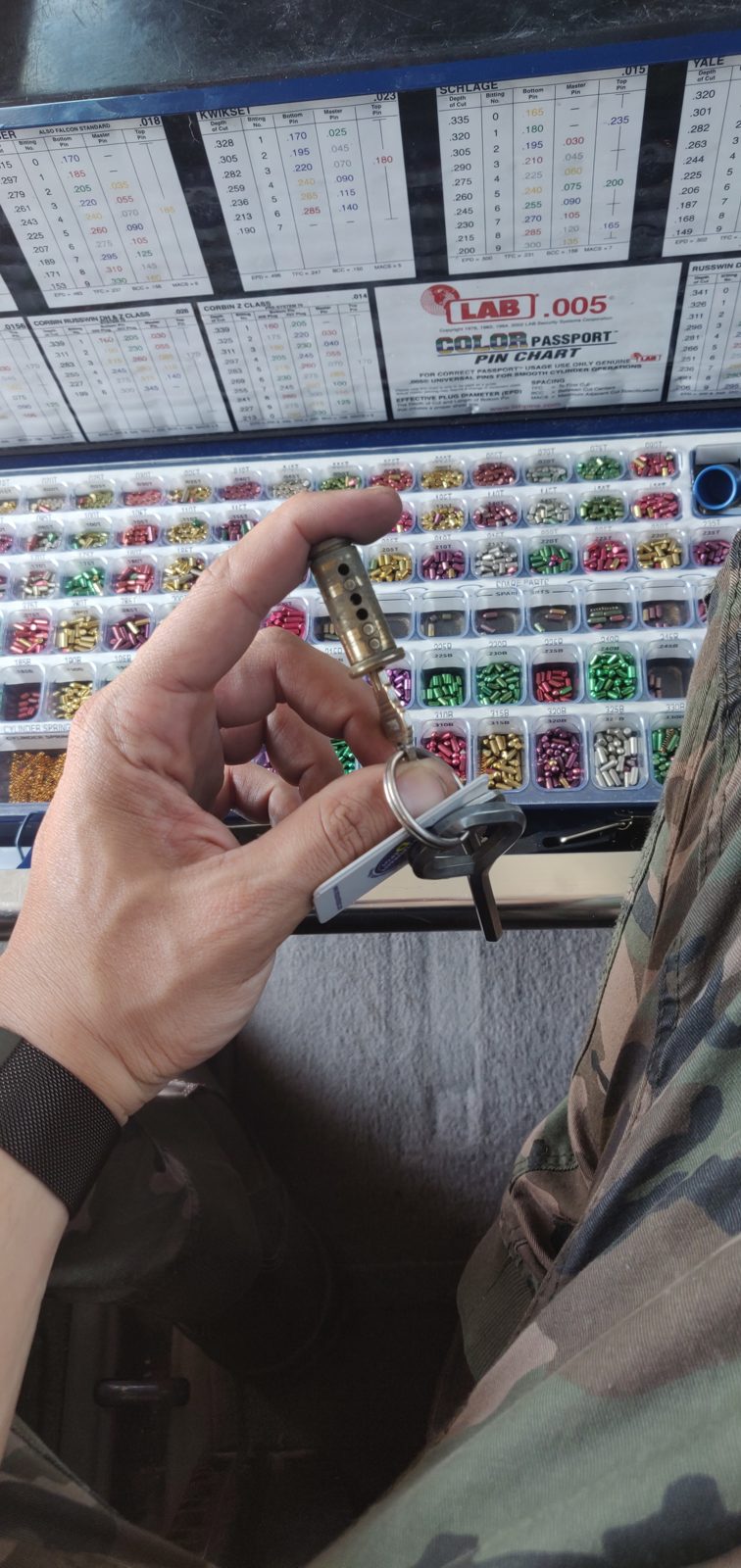
What Rekeying Changes—and What It Leaves in Place
Rekeying changes the small pins inside a compatible lock cylinder so a different key operates it. The lock body and exterior hardware generally stay in place. After a successful rekey, the old key should no longer turn that cylinder, while the new key should operate it.
That makes rekeying different from replacing a lock. A replacement changes some or all of the hardware; rekeying changes the key that fits the existing cylinder. If the lock is damaged, worn, or unsuitable for the door, changing the hardware may make more sense than rekeying it.
Rekeying is useful when you want to stop using an old key but your lock still works properly. For example, you may want new keys after moving into a home, changing who has access, or finding an old key you no longer want to work. Only rekey locks you own or have permission to service.
Choose Between Rekeying, Replacing, and Keying Locks Alike
The right option depends on the condition of the lock and what you need the keys to do. These choices are not interchangeable, so decide what matters before you take a lock apart or buy a kit.
Rekey the existing lock
Choose this when the lock works smoothly, fits the door, and you want to change which key operates it. You keep the existing hardware, but the pins inside the cylinder are changed for a new key.
Replace the lock
Consider replacement when the lock is broken, badly worn, loose, or not appropriate for the door. A new lock also gives you new hardware, rather than changing only the key combination inside the current cylinder.
Have compatible locks keyed alike
This option may let one key operate multiple compatible locks. The cylinders need to accept the same key and pin arrangement; locks that look alike may still use different cylinders or keyways.
Call a locksmith for an assessment
Choose this when you cannot identify the lock, the cylinder is difficult to remove, or you need several locks to work with one key. A locksmith can inspect the hardware and explain which service fits the condition of the locks.
Gather the Lock, Key, and Correct Rekeying Tools
A rekey kit must match the lock’s make and cylinder type. Do not choose a kit based only on the lock’s appearance. Check the lock markings and the manufacturer’s instructions first; if you cannot confirm compatibility, stop before removing parts.
- The lock’s original key and a new key — You need a working key that fits the cylinder and the new key specified for the kit. The new key determines the pin arrangement, so use the exact key supplied or approved for that kit.
- A matching rekey kit — Use a kit made for the specific lock or cylinder. Kits may include replacement pins, springs, a plug follower, and small tools for handling pins. Parts and instructions vary by lock.
- Basic hand tools — Depending on the lock design, you may need a screwdriver to remove the lock from the door and a small tool for a retaining clip. Follow the maker’s instructions rather than guessing which fastener to remove.
- A clean, well-lit work surface — Work over a tray or light-colored cloth so small pins and springs are easier to see. Keep the new and old keys separate, and arrange removed parts in the order they come out.
- The manufacturer’s rekeying instructions — Keep the lock’s instructions nearby from start to finish. They identify the correct cylinder parts and explain how that model comes apart and goes back together.
How to Rekey Locks: Follow These Steps on Your Own Lock
The steps below describe a common pin-tumbler cylinder, but lock designs differ. Follow the instructions for your exact model. If a step does not match the lock in front of you, do not force the parts or improvise.
- Confirm the lock is yours and identify it — Check the lock’s markings and determine whether it uses the cylinder and key type covered by your kit. Compare the instructions with the lock before taking anything apart. If the parts do not match, put the lock back as it was and get help identifying the correct kit.
- Check the lock before disassembly — With the door open, use the current key to check that the lock turns and returns normally. Look for a loose cylinder, damaged housing, or other visible wear. A lock that sticks or feels damaged may need repair or replacement instead of a rekey.
- Remove the cylinder according to its instructions — Use the specified hand tools and keep the door open while you work. Set screws, clips, and other small parts in order on your work surface. Check that you have removed only the parts identified in the instructions.
- Prepare the plug follower and new key — Insert the key as directed for the cylinder, then position the plug follower where the instructions show. The follower supports the upper pins and springs as the plug is removed. Check that it is the correct size and seated as directed before moving on.
- Remove the plug without losing the springs — Follow the kit’s directions to withdraw the plug while keeping the follower in position. Work slowly over the tray; small springs can move if parts are released unexpectedly. Stop if the follower slips or the cylinder does not move as described.
- Replace the old pins with the specified pins — Remove the old key pins from the plug and arrange them separately. Use the kit’s instructions to select and place the correct new pins for the new key. Check each position against the diagram before reassembling.
- Reassemble the cylinder and test it by hand — Return the plug to the cylinder as instructed, then remove the key only when the directions say to do so. Use the new key to check that the plug turns smoothly and the old key does not operate it. If either result is wrong, do not force the key or reinstall the cylinder as if the work were complete.
- Reinstall the lock and test with the door open — Put the cylinder and other hardware back in the order specified by the lock maker. With the door still open, test the new key several times and check the lock’s inside operation. Once those checks pass, close the door and confirm the lock works normally; keep a working key available.
Know What Can Go Wrong Before You Continue
A kit that does not match the cylinder can leave you with pins that do not fit or a lock that cannot be assembled correctly. Confirm the lock type and the kit’s compatibility before you start. When those details are unclear, take the lock information to a locksmith instead of buying parts by appearance alone.
Losing a spring, mixing up pin positions, or letting the follower slip can make the cylinder difficult to reassemble. Keep parts in order, work over a tray, and compare each stage with the instructions. If a part drops or the cylinder comes apart unexpectedly, stop and gather every visible piece before attempting another step.
A key that sticks after reassembly is a sign to pause, not to force it. Check that the cylinder is assembled as directed and that the correct key and pins were used. If the key still binds or the lock does not turn smoothly, leave the door open and call a locksmith to inspect the cylinder.
Rekeying cannot correct every lock problem. If the lock remains loose, damaged, or unreliable after the cylinder is properly assembled, the hardware may need repair or replacement. Do not rely on a lock that has not passed a full test.
Check the Whole Key Plan, Not Just One Cylinder
Before starting, list the doors and locks you want to control with the new key. A home may have several entry points, and each lock may use a different cylinder. Rekeying one lock does not change the keys that operate the others, so make a clear record of which locks have been changed.
If you want a single key for multiple doors, first confirm that the cylinders can use the same key and pin arrangement. Do not assume that matching handles or brand names mean the locks are compatible. A locksmith can check the cylinders and explain whether rekeying alike is an option.
After the work, label the new key for your own records without attaching details that identify your home or make the key easy for someone else to associate with a specific door. Keep any remaining old keys separate from the new set. If you are unsure whether every copy of an old key is accounted for, use the lock’s successful rekey—not the number of keys collected—as your test that the old key no longer operates that cylinder.
Call a Locksmith When the Cylinder or Key Plan Is Unclear
Call a locksmith if you cannot identify the cylinder, cannot find a matching kit, or do not have a working key required by the instructions. Professional help is also a sensible choice if the lock is damaged, the cylinder will not come apart as directed, or the key sticks after your reassembly check. Stop before forcing a part; that can turn a simple rekey into a lock that needs more extensive work.
A locksmith can also help when you need several compatible locks rekeyed to work with one key. Locksmith Xpress provides a lock rekeying service from its mobile operation in Gaithersburg, serving all of Montgomery County. The key-cutting machine is in the service van, and the work is done on site at your home or business.
Locksmith Xpress is licensed in Maryland, License #733. To ask about service for your locks, contact us. You can also learn more about our locksmith in Gaithersburg service area.
Test the Rekey Before You Depend on It
A successful rekey means the new key operates the lock smoothly and the old key no longer turns that cylinder. Test both keys with the door open, then check that the lock’s other normal functions work as expected. Do not test for the first time after closing the door behind you.
If the new key binds, the old key still works, or the lock feels different from before, do not assume the job is finished. Check the instructions and parts only if you can do so safely and without forcing the cylinder. Otherwise, leave the door accessible and contact a locksmith for help.
Keep your record of which doors were rekeyed and which new keys operate them. That simple check prevents confusion later, especially when more than one lock or key is involved. If you need the lock inspected or rekeyed on site in Gaithersburg or elsewhere in Montgomery County, a mobile locksmith can come to your location.
Frequently asked questions
Can I rekey my own front door lock?
You can rekey a lock you own if you can identify the cylinder, have a compatible kit, and can follow the lock maker’s instructions. Test the new and old keys with the door open before relying on the lock. If the parts do not match or the cylinder sticks, stop and call a locksmith.
Can one key work on all the locks in my home?
It may be possible when the cylinders are compatible and can be set for the same key. Locks that look alike are not necessarily compatible, so check the cylinders before buying a kit. A locksmith can assess the locks if you want several doors keyed alike.
How can I tell whether my lock needs rekeying or replacement?
Rekeying changes which key operates a working cylinder, while replacement changes the lock hardware. If the lock is loose, damaged, worn, or continues to stick, have it inspected before deciding. A locksmith can help determine whether rekeying, repair, or replacement fits the lock’s condition.
Does rekeying change every lock in my home?
No. Rekeying changes only the cylinder or cylinders that are serviced, and it does not automatically update other locks or spare keys. Make a list of the doors you want changed and check each one after the work is complete.
Need Help Rekeying a Lock?
Locksmith Xpress provides mobile lock rekeying in Gaithersburg and throughout Montgomery County. Contact us to arrange service at your home or business.