
Kwikset vs Schlage: Which Lock Is Right for Your Door?
Kwikset vs Schlage has no single winner: the right lock is the one that fits your door and meets your needs. Compare the exact models, keying options, and features before choosing; brand alone does not tell you whether a lock will fit.
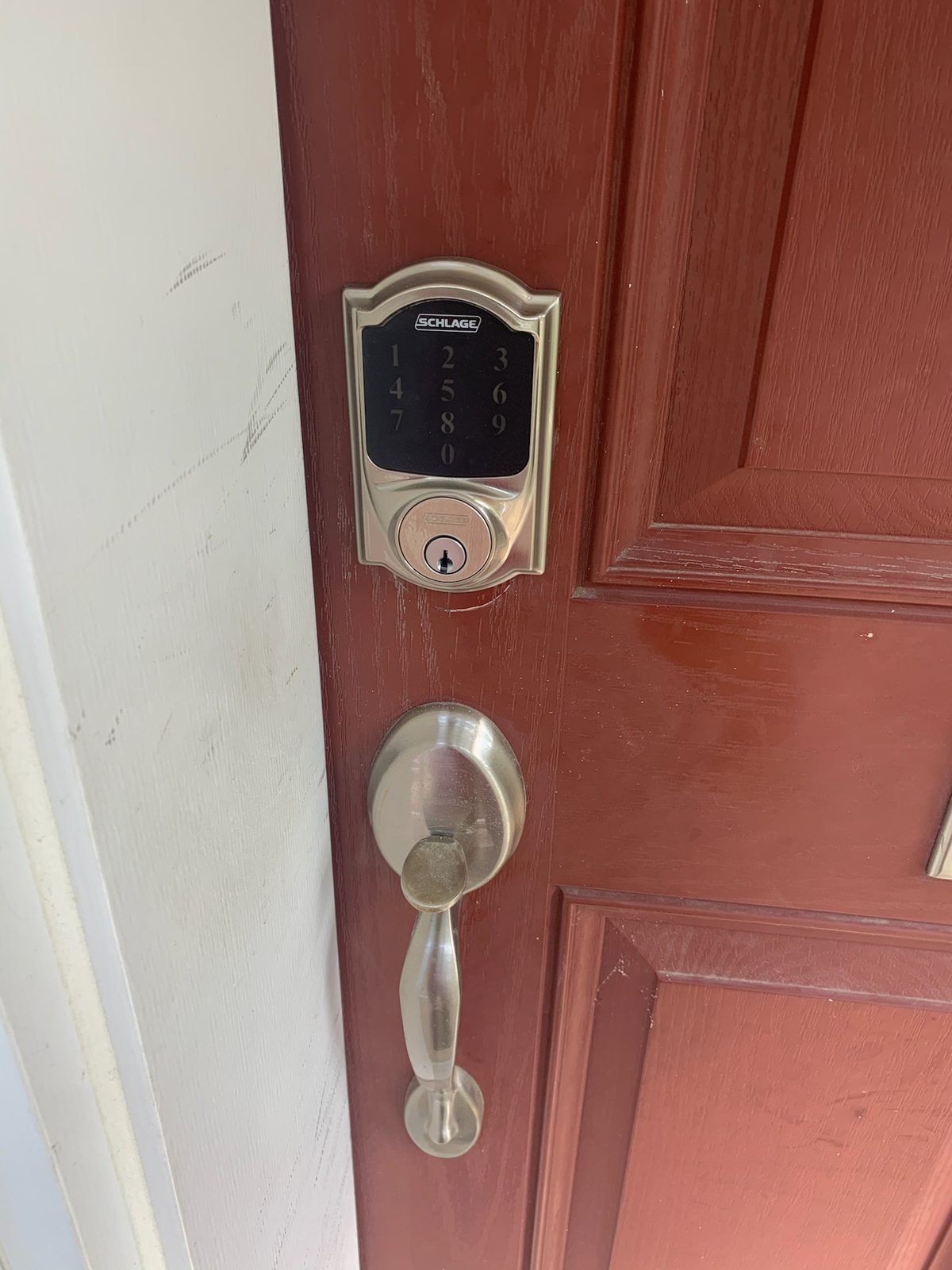
Kwikset vs Schlage: Choose by Fit and Features
Start with your door and the lock you need, not the brand label. Both Kwikset and Schlage sell different lock types and feature sets, and the details vary by model. A deadbolt, a knob lock, and an electronic keypad lock each solve a different need, so first decide which kind of hardware belongs on your door.
Then compare the exact products you are considering. Check the door thickness range, backset, bore-hole requirements, finish, included parts, and installation instructions. A lock with features you like is not a good match if it does not fit the door or work with the existing setup.
For a straightforward replacement, a compatible mechanical lock may be all you need. If you want keypad entry or other electronic functions, compare the instructions and requirements for those specific models. Do not assume every lock from either brand uses the same keys, parts, or installation method.
If you are replacing hardware and want help checking compatibility, our lock change & installation service can help you choose an option that suits the door.
How Kwikset and Schlage Lock Features Compare
A brand comparison is most useful when it focuses on the features you will use. Product lines change, and features are not shared by every model within a brand. Read the product information for the exact lock rather than applying a general claim to all Kwikset or Schlage hardware.
Mechanical keyed locks
If you want a conventional key-operated lock, compare the cylinder and keying details on the models you are considering. A key for one lock is not automatically compatible with another, even when the locks look similar. Check whether the lock can be keyed to your existing key before buying, and confirm that the instructions describe the process you expect.
Keypad and electronic models
Both brands have electronic options in some product lines, but functions vary by model. Compare the controls, power requirements, user-code setup, and what happens if power is interrupted. Make sure you understand how the lock operates from both sides of the door and keep the manual and any necessary backup method accessible.
Rekeying features
Some Kwikset products include SmartKey technology, while exact availability and compatibility depend on the model. If this matters to you, confirm that the lock specifically includes the feature and read its instructions before purchase. Do not assume a rekeying feature works across all locks or makes keys used by other hardware compatible.
Appearance and door fit
Finish, trim shape, and the position of the keyway affect how the lock looks and feels on your door. The physical measurements matter more than the brand name: compare the lock’s stated fit with the door thickness, existing holes, and latch setup. Choose a model with instructions that match your door and installation needs.
What to Check Before You Choose a Lock
Use the product box or manufacturer instructions to compare specific models side by side. Keep the existing lock in place while you check the door; there is no need to take hardware apart just to make an initial choice.
- Lock type — Identify whether you need a deadbolt, knob or lever lock, keypad lock, or another type of hardware. Check what is already installed and what you want the new lock to do.
- Door measurements — Measure the door thickness and the distance from the door edge to the center of the existing lock opening. Compare those measurements with the product’s stated fit and bore-hole requirements.
- Latch and strike — Look at the latch edge and the metal strike plate on the frame. Confirm that the new lock’s included parts and installation instructions suit the door preparation and frame.
- Keying needs — Decide whether you want a new key, want the lock matched to other compatible hardware, or need a model with a specific rekeying feature. Verify compatibility for the exact model instead of relying on appearance.
- Daily use — Think about who will use the entry and whether a physical key, keypad, or another listed feature suits that routine. For an electronic lock, review the power requirements and backup instructions.
- Installation requirements — Read the manual before choosing. Check which tools and parts are needed, whether the lock fits the existing holes, and whether the instructions cover your door configuration.
Follow These Steps to Check the Lock Fit
A few basic checks can help you avoid choosing hardware that does not match the door. You will need a tape measure or ruler, a flashlight, a pencil, and the product instructions or packaging for each model you are comparing.
- Identify the lock you are replacing — Look at the door and identify whether the hardware is a deadbolt, knob or lever lock, or another type. Check that the product you are considering is made for the same function; do not choose based on the brand name alone.
- Measure the door thickness — Use the ruler or tape measure to measure the edge of the door. Compare that number with the model’s stated door-thickness range and set aside any model that does not list a fit for your door.
- Check the backset — Measure from the edge of the door to the center of the lock opening. Compare your measurement with the backset options in the product instructions, and verify that the lock can be configured for the measurement you have.
- Inspect the existing openings — Use the flashlight to look at the face and edge of the door without removing the lock. Compare the visible hole and latch arrangement with the installation diagram, and check whether the new lock calls for a different opening or preparation.
- Review the latch and strike parts — Check the product list to see which latch, strike plate, and screws are included. Compare those parts with the door edge and frame, and note any mismatch before you decide to install the lock yourself.
- Confirm the keying or keypad setup — Read the instructions for the specific model. Check whether it supports the keying arrangement or entry method you want, and make sure you understand any setup steps and backup requirements.
- Gather the listed tools — Use the manual to identify the tools required, such as a screwdriver. Lay out the listed parts and check that nothing is missing before beginning; do not improvise with parts that do not match the lock.
- Test the installed lock with the door open — After installation, follow the manufacturer’s directions and test the key, thumb turn, latch, or keypad while the door is open. Check that each part moves smoothly and that the latch lines up with the strike before closing the door.
Why Keys and Lock Parts May Not Be Interchangeable
Two locks can look alike and still differ in their cylinders, keyways, latches, or internal parts. A key that works in one lock may not work in another, and a replacement part may not match the model you have. Confirm the exact model and compatibility details instead of assuming that a shared brand or similar appearance is enough.
If you want one key to work across multiple locks, check whether the specific locks can be keyed alike before buying or installing them. The packaging or instructions should explain available keying options and any limits. If you cannot confirm compatibility, keep the existing hardware intact and ask a locksmith to check the locks.
The same care applies to electronic models. A keypad, app, or other feature can differ between products, so compare the setup process and operating requirements for each exact model. Keep the instructions for future setup and follow the manufacturer’s guidance when changing codes or batteries.
What Can Go Wrong During Lock Selection or Installation
A common mistake is choosing by brand reputation or appearance without checking measurements. If the backset, door thickness, or openings do not match the lock, the hardware may not sit correctly. Stop if the instructions do not match the door rather than forcing the parts into place.
Misalignment can also make a new lock feel stiff. The latch should meet the strike cleanly, and the key or thumb turn should operate smoothly with the door open before you test the door closed. If the lock binds, the latch will not extend fully, or the key becomes difficult to turn, do not keep forcing it. Recheck the installation against the manual.
Missing or mismatched screws and parts are another reason to pause. Use only the parts specified for the lock, and do not substitute hardware without confirming that it is suitable. If a part is damaged or does not fit, stop and contact the manufacturer or a locksmith for guidance.
For keypad models, setup errors or overlooked power requirements can leave you unable to use a feature you expected. Read the instructions before installation, complete the setup as directed, and test the lock while the door remains open. Keep any backup key or other method the manufacturer provides in a safe, accessible place.
When to Call a Locksmith for Lock Installation
Call a locksmith if you cannot confirm the lock will fit, the door or frame needs work, the existing hardware is damaged, or the lock does not operate smoothly after installation. A professional can inspect the door and hardware, explain which options fit, and handle installation without forcing a mismatched part.
It is also sensible to get help when you need multiple locks to work with the same key and are unsure whether the specific models are compatible. Leave the existing locks in place until you have a clear plan. Do not try to open or bypass a lock you do not own or have permission to service.
Locksmith Xpress is a mobile locksmith based in Gaithersburg and serves Montgomery County. We come to your home or business; there is no storefront to visit. Our key cutting machine is in the service van, so key work is done on site. Learn more about our locksmith in Gaithersburg or contact us to discuss the door and lock you need help with.
Make the Choice That Fits Your Door
Choose the Kwikset or Schlage model that meets the door’s measurements, provides the features you will use, and comes with instructions that fit your setup. There is no need to pick one brand for every door: the right choice can differ depending on the lock type, keying needs, and installation requirements.
Before you buy, compare the exact model numbers and verify the door thickness, backset, latch, strike, and keying details. If the lock is electronic, check the power and setup instructions too. These simple checks help you make a decision based on the hardware in front of you rather than assumptions about a whole brand.
If the fit is unclear or the lock will not operate smoothly, stop and get help instead of forcing it. A correctly matched lock should install according to its instructions and operate as intended with the door open before you rely on it.
Frequently asked questions
Is Kwikset or Schlage better for a front door?
Either brand may suit a front door; compare the exact models and confirm the lock type and measurements fit your door. Choose based on the features you need and the manufacturer’s installation instructions, not the name alone.
Can I use a Kwikset key in a Schlage lock?
Do not assume a key from one brand will work in a lock from the other. Key compatibility depends on the specific lock and cylinder, so check the product information or ask a locksmith before relying on a shared key.
Can Kwikset and Schlage locks fit the same door?
They can fit the same door when the specific models match its thickness, backset, openings, and latch setup. Compare the installation diagrams and measurements for each model before buying.
When should I have a locksmith install a replacement lock?
Call a locksmith if you cannot verify that the lock fits, the door or frame needs adjustment, or the lock binds after installation. Stop using force and have the hardware checked if the key, latch, or thumb turn does not operate smoothly.
Need Help Choosing a Lock?
Locksmith Xpress provides mobile lock change and installation service in Gaithersburg and Montgomery County. Call (301) 806-1626, Monday to Sunday, 8:00 AM to 8:00 PM.