
How to Change a Door Lock Cylinder
How to change a door lock cylinder depends on the lock: some deadbolts have a replaceable cylinder, while other locks require a different repair. Keep the door open, identify the lock type, and match the replacement before taking anything apart.
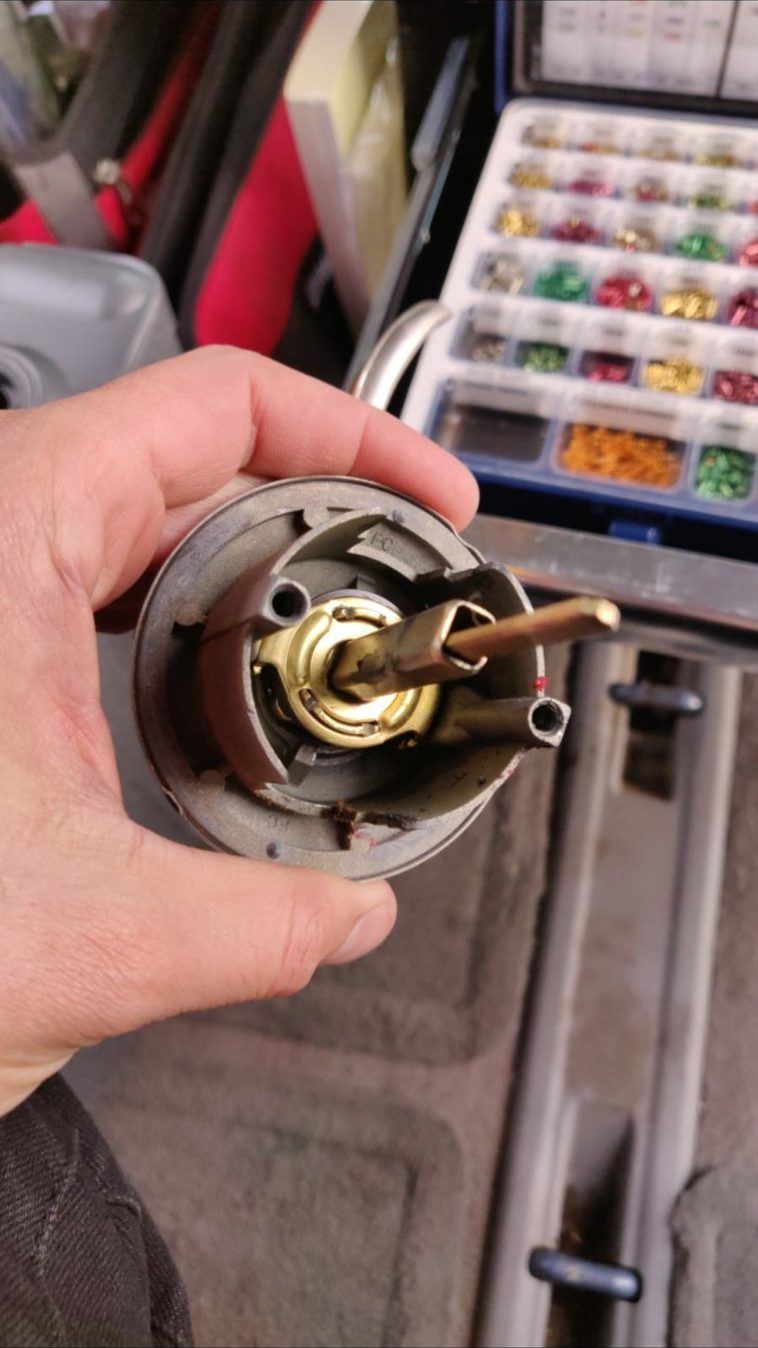
Decide Whether to Change the Cylinder or the Whole Lock
A lock cylinder is the part where you insert the key. On some deadbolts, you can replace that part without changing the rest of the lock. On other locks, including some knob or lever sets, the cylinder is built into the lock assembly or needs a specific replacement part. Check the lock’s design before you buy anything or remove hardware.
A cylinder replacement may fit your situation if the lock body and other parts work smoothly, but you want a different key for that door. It can also make sense when the cylinder itself is damaged and the rest of the lock is sound. If the bolt sticks, the key turns poorly, or the lock housing is loose or damaged, replacing only the cylinder may leave the original problem in place.
A full lock change may be the better option when the lock is worn, damaged, or missing parts, or when you want to change the lock’s function or style. If your goal is simply to stop an old key from working, rekeying may be another option. The related lock change & installation service can help you decide which approach suits the hardware.
What to Check Before You Start
First, identify the lock and confirm that its cylinder is designed to come out separately. A deadbolt, a knob lock, and a mortise lock can use different internal parts and removal methods. If you cannot identify the lock or the replacement instructions do not match what you see, pause rather than forcing the hardware.
- Lock type and cylinder design — Look at the door’s inside and edge to identify the lock style. Check the manufacturer’s instructions, if available, to see whether the cylinder is replaceable on its own.
- Cylinder dimensions — Compare the old cylinder’s length and shape with the replacement. A cylinder that is too short, too long, or shaped differently may not sit correctly or operate the lock.
- Tailpiece or cam — This part connects the cylinder to the lock mechanism. Compare its shape and orientation with the original, and make sure the replacement is intended for your lock.
- Tools and work area — Gather a screwdriver that fits the existing screws, the matched replacement cylinder, and the key for the new cylinder. Work with the door open and keep small screws together so they do not get lost.
- Condition of the lock — Before disassembly, check whether the key, bolt, and thumbturn move normally. If the lock is already binding or loose, a new cylinder may not solve the underlying issue.
Compare Cylinder Replacement, Rekeying, and a Full Lock Change
These options address different needs. Consider what you want to change and whether the existing lock is in good working order. The right choice depends on the lock’s construction and the condition of its parts.
Replace the cylinder
Choose this when the cylinder can be removed separately, the rest of the lock works properly, and you want a new cylinder and key. The replacement must match the lock’s dimensions and connecting parts.
Rekey the existing lock
Consider rekeying when the lock is working and you want it to operate with a different key. This changes the keying inside a compatible cylinder rather than replacing the entire lock assembly. Learn more in our guide to how to rekey locks.
Replace the complete lock
Choose a full lock change when the lock body or bolt is damaged, the hardware is worn, or the cylinder is not available as a separate replacement. Confirm that the new lock fits the door and the existing hole and edge preparation before removing the old hardware.
How to Change a Door Lock Cylinder: Step by Step
These steps apply to a lock designed for cylinder-only replacement, such as some deadbolts. The exact retaining parts differ by lock. Use the instructions for your specific hardware, and do not force a part that does not move as described.
- Keep the door open — Open the door and keep it from closing while you work. Test that the key and thumbturn operate the lock before disassembly, so you know how it behaved beforehand.
- Confirm the replacement matches — Compare the new cylinder with the original or with the lock’s specifications. Check its length, shape, and tailpiece or cam. If the parts differ, stop and get the correct cylinder rather than trying to adapt it.
- Remove the interior trim — Use a fitting screwdriver to remove the interior screws or trim specified by the lock’s instructions. Keep the screws together and note how the thumbturn and interior assembly sit. Check that the trim comes away without bending or prying.
- Locate the cylinder retainer — With the interior assembly removed as instructed, find the retaining plate, clip, or screw that holds the cylinder. The design varies. If you cannot clearly identify the retainer, consult the lock’s instructions or stop before loosening other parts.
- Release and remove the old cylinder — Remove only the cylinder retainer, then ease the cylinder out in the direction described for your lock. Keep track of the tailpiece or cam position. Do not twist, pry, or pull hard if the cylinder catches.
- Compare the parts once more — Place the old and new cylinders side by side and compare their length, profile, and connecting piece. Make sure the new part sits in the same orientation. If anything does not match, do not continue with installation.
- Fit the new cylinder — Position the replacement as directed by the manufacturer and engage its tailpiece or cam with the lock mechanism. It should seat correctly without force. Check that the cylinder face sits as intended and that no part is visibly crooked.
- Reinstall the retaining parts — Secure the cylinder with its original retainer, then reinstall the interior assembly and trim. Tighten screws until the parts are secure, but do not overtighten them. Check that the thumbturn moves freely before testing the key.
- Test before closing the door — With the door still open, test the new key and the interior thumbturn several times. Watch the bolt extend and retract fully without sticking. If the key binds or the bolt does not move cleanly, stop and correct the fit before using the door.
Test the Lock and Watch for Fit Problems
Test the lock with the door open first. Insert the new key fully, turn it gently in both directions, and confirm that the bolt moves all the way in and out. Then test the thumbturn. The key should turn without catching, and the bolt should not scrape against the door edge.
If the key turns but the bolt does not move as expected, the tailpiece or cam may not be engaged correctly. If the cylinder sits unevenly, check whether the replacement is the right length and whether the retaining parts are seated. If tightening the interior screws makes the lock bind, loosen them slightly and check that the assembly is aligned; do not force the key.
After the lock works with the door open, close the door gently and test it again. A bolt that works while open but rubs when the door is closed may be meeting the strike plate incorrectly. That points to an alignment issue, not necessarily a cylinder problem. Avoid slamming the door or repeatedly turning a binding key.
Avoid These Common Cylinder Replacement Mistakes
Small differences in lock hardware matter. Take your time and stop if the parts do not match what you expected. A forced fit can damage the lock or leave the door difficult to secure.
- Buying by appearance alone — Two cylinders can look similar but differ in length or in the piece that connects them to the lock. Compare the actual parts and the lock’s requirements before installation.
- Assuming every lock has a removable cylinder — Some locks need a complete lock assembly or a specific replacement part. If the cylinder is not designed to come out separately, do not try to pry it free.
- Closing the door too soon — Always test the key, thumbturn, and bolt with the door open first. This lets you address a fit problem without leaving the door shut against a lock that may not work.
- Forcing a binding part — Resistance can signal a mismatch, misalignment, or another lock problem. Stop and check the instructions and part orientation instead of applying extra force.
Know When to Call a Locksmith
Call a locksmith if the cylinder will not come out using the lock’s instructions, the replacement does not match, a retaining part is damaged, or the lock continues to bind after careful reassembly. Professional help is also a good next step when the lock is integrated into a knob, lever, or other assembly and you are unsure which part to replace.
Do not try to open, bypass, or defeat a lock that you do not own or are not authorized to service. If you own the property but cannot safely complete the replacement, leave the hardware in place and ask a locksmith to inspect it. We provide mobile lock change and installation service in Gaithersburg and throughout Montgomery County. You can contact us or learn more about our lock change & installation service.
Need Help With a Door Lock in Gaithersburg?
Locksmith Xpress is a mobile locksmith based in Gaithersburg, Maryland, serving all of Montgomery County. We come to your home, car, or business; there is no storefront to visit. For local service details, visit our page for a locksmith in Gaithersburg.
We are open Monday to Sunday, 8:00 AM to 8:00 PM. If you need help deciding whether your lock needs a cylinder replacement or a complete change, describe what the lock is doing and we can help you take the next step.
Frequently asked questions
Can I change only the cylinder without replacing the whole lock?
Sometimes. Some deadbolts have a cylinder that can be replaced separately, while other locks have a cylinder built into the lock assembly or require a specific part. Check the lock’s instructions and compare the replacement before removing hardware.
How do I know which replacement cylinder fits my door lock?
Identify the lock type and compare the old cylinder’s length, shape, and tailpiece or cam with the replacement. Use the lock’s instructions to confirm compatibility. If the parts differ or you cannot identify the cylinder, stop and ask a locksmith before installation.
Can I change a door lock cylinder with the door closed?
Keep the door open while removing and installing the cylinder, and test the key and bolt before closing it. This lets you catch a mismatch or alignment problem without risking a door that will not open normally. Close it only after the lock works smoothly while open.
When should I call a locksmith in Gaithersburg to change a lock cylinder?
Call if the cylinder is stuck, the lock’s retaining parts are unclear or damaged, the replacement does not fit, or the lock still binds after reassembly. Locksmith Xpress provides mobile service in Gaithersburg and throughout Montgomery County, so there is no storefront to visit.
Need Help With Your Lock?
Contact Locksmith Xpress for mobile lock change and installation service in Gaithersburg and Montgomery County.