
Rekey vs Replace Locks
Rekey vs replace locks comes down to the condition of your current lock and whether you want to keep its hardware. Rekey a working lock when you need a different key to operate it; replace the lock when the hardware is damaged, unsuitable, or you want a different lock.
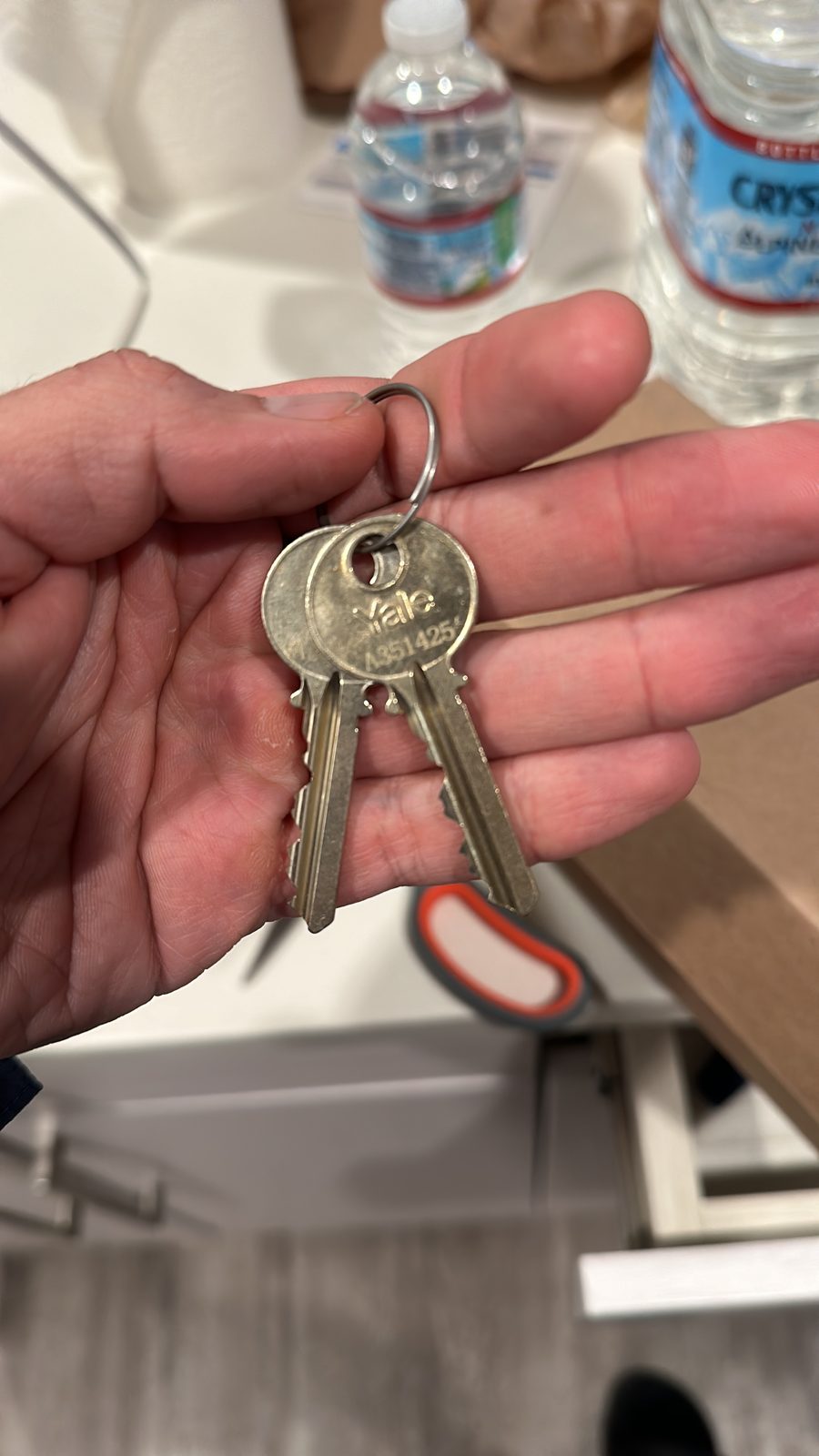
Rekey vs Replace Locks: What Changes?
Rekeying changes which key operates a lock while keeping the existing lock hardware. Replacement removes the current lock and installs different hardware. The right choice depends on whether the lock works properly and whether keeping it fits your needs.
A rekey does not change the door, handle, deadbolt, or the lock’s visible finish. A replacement can change one or more of those parts, depending on what you choose to replace. Neither option automatically changes other locks in your home.
Choose rekeying for working hardware
Rekeying is a practical option when the lock turns and latches properly, but you want a different key to operate it. The existing lock stays in place; check that the doors and locks you want changed are clearly identified.
Choose replacement for a hardware change
Replacement makes sense when a lock is damaged, does not work reliably, or you want different hardware. Before work begins, confirm which lock or locks will be removed and that the new hardware fits the door.
Consider a mixed solution
You do not have to choose one approach for every door. A locksmith can rekey locks that are in good working order and replace locks that need different or functioning hardware.
When Does Rekeying Make More Sense?
Rekeying is worth considering when the lock itself is in good condition and your main concern is who can use its key. It changes the key that operates the rekeyed lock, but it does not repair worn parts or improve the door and lock hardware.
Think about which keys may still be in circulation and which doors they can open. A rekey affects only the locks that are included in the work, so a key may still operate another lock that was not changed.
- You moved into a home — If you do not know who may still have a key, rekeying working entry locks gives you a new key for those locks. Make a list of the exterior doors you want included rather than assuming every lock will be changed.
- A key is missing or unreturned — If a key is lost or someone has not returned one, rekeying can make that key no longer operate the locks that are rekeyed. Note which doors the missing key may have opened so the locksmith can address the right locks.
- You want fewer keys for compatible locks — Ask whether the locks you want to use with one key can be rekeyed to match. Compatibility depends on the locks themselves, so do not assume different locks can all use the same key without an assessment.
- The lock works, but the key arrangement needs to change — If the lock operates smoothly and the hardware suits the door, changing the key arrangement may be all you need. If the key sticks, the lock feels loose, or the door does not latch, have those problems assessed before deciding.
When Should You Replace a Lock Instead?
Replacement is the better direction when the existing lock is broken, unreliable, or no longer fits the function you need. Rekeying changes how the lock responds to a key; it does not make worn or damaged hardware sound again. If the lock binds, the key will not turn normally, or the latch does not line up with the strike plate, describe those symptoms before choosing a service.
You may also prefer replacement when you want a different lock design or hardware finish. In that case, check the door’s thickness and the current openings before buying parts. A mismatch between the new hardware and the door can lead to extra work or a lock that does not operate as intended.
A lock that has been forced or visibly damaged deserves careful assessment. Do not rely on a new key alone if the cylinder, handle, deadbolt, door, or frame may also be affected. If you are unsure whether the lock is still secure, avoid treating rekeying as a repair and ask a locksmith to inspect it.
How to Prepare for a Rekey or Replacement
These owner-level steps help you explain what you need and check the result. They do not require taking apart a lock. Leave internal lock work to a locksmith, especially if the hardware is damaged or you are unsure how it is assembled.
- Identify the doors — Walk through the home and write down each door you want addressed, such as the front door, side door, or garage entry. Check that your list includes every lock you intend to change.
- Note the lock symptoms — For each lock, record whether the key turns, the deadbolt extends, and the door closes and latches normally. Check that your notes distinguish a key-control concern from a mechanical problem.
- Gather the keys you have — Place the current keys on a key ring or keep them together so you can show which lock each one operates. Check whether you can identify any keys that belong to a different door.
- Describe the reason for the change — Write down whether you moved in, misplaced a key, need a former keyholder’s access changed, or want different hardware. Check that the reason and the doors on your list match.
- Look at the visible hardware — Without removing anything, note whether the handle, deadbolt, cylinder, door, or strike plate looks loose or damaged. Check that you report visible problems instead of assuming a rekey will fix them.
- Decide what you want to keep — Consider whether the current handles and lock finish suit the door, or whether you want replacement hardware. Check that you have not bought a lock before confirming it fits the door and the existing openings.
- Confirm the scope before work starts — Review the door list with the locksmith and ask which locks will be rekeyed and which, if any, will be replaced. Check that you understand which old keys will stop operating which locks.
- Test each completed lock — With the door open, use the new key to operate each changed lock, then close the door and check the latch and deadbolt again. Confirm that the correct key works at each door and that the door opens and closes normally.
What Can Go Wrong With the Wrong Choice?
A common mistake is rekeying a lock that has a mechanical problem. The new key may address who can operate the lock, but it will not correct a sticking bolt, loose handle, damaged cylinder, or door that does not align. Explain any operating problems before the work begins so the service can address the actual issue.
Another mistake is changing one lock and assuming every entry door now uses a new key. A key continues to operate any compatible lock that was not included in the work. Keep a door-by-door record, and verify each lock separately when the work is complete.
Replacing hardware without checking fit can create a different problem. The new lock needs to work with the door and its existing openings, and the latch needs to meet the strike plate correctly. If you already bought replacement hardware, show it to the locksmith before installation.
If a lock is damaged or you suspect someone may have tampered with it, do not try to force it or take it apart. Secure the area as best you can without manipulating the lock and arrange an assessment. A locksmith can help determine whether rekeying is appropriate or replacement is needed.
A Simple Way to Decide and Check the Result
Start with the lock’s condition, then consider the key situation. If the lock works normally and you want a different key to operate it, ask about rekeying. If it is damaged or you want different hardware, ask about replacement. If you have both concerns, explain them together rather than choosing one service before the locks are assessed.
- Before the service — List the doors, describe symptoms, and gather the keys you have. Confirm that the locksmith knows whether you want to keep the hardware, change it, or have the options assessed.
- During the service — Confirm which lock is being worked on before each change. Ask the locksmith to clarify which old keys will no longer operate the locks that are rekeyed.
- After the service — Test each new key at the correct door and check that each lock and latch operates normally. If a lock does not work as expected, stop using force and tell the locksmith which door and key are involved.
Get Lock Rekeying Help in Gaithersburg
Locksmith Xpress is a mobile locksmith based in Gaithersburg and serves all of Montgomery County. We come to your home, car, or business; there is no storefront to visit. For a home lock question, tell us which doors you want addressed and whether the locks work properly.
Our lock rekeying service can help when you want to change which key operates a working lock. If the lock is damaged or you want different hardware, describe that too so we can discuss whether replacement is the better fit. You can learn more about our locksmith in Gaithersburg service or contact us to arrange help.
Locksmith Xpress is licensed in Maryland, License #733. We are open Monday to Sunday, 8:00 AM to 8:00 PM.
Frequently asked questions
Will rekeying make my old key stop working?
A rekey changes which key operates the lock that is rekeyed, so the old key will no longer operate that lock. It may still work on other locks that were not changed, so identify every door you want included.
Should I rekey or replace the locks after moving into a home in Gaithersburg?
If the locks work properly and you want to control which keys operate them, rekeying may fit. If a lock is damaged or you want different hardware, ask about replacement; list each entry door so the work covers the locks you intend to change.
Can all the locks in my home use the same new key?
That depends on whether the locks are compatible with one another. Have a locksmith check the locks you want grouped together, and confirm the exact doors included before the work starts.
What should I do if a lock still sticks after it is rekeyed?
Do not force the key or keep turning it if the lock binds. Tell the locksmith which door is affected and whether the key, deadbolt, or door latch is sticking so the mechanical problem can be assessed.
Need Help Choosing?
Call Locksmith Xpress at (301) 806-1626 to discuss rekeying or replacement for your Gaithersburg home.