
How to Change Locks on a Door
To learn how to change locks on a door, identify the lock and its measurements, install a compatible replacement, then test it with the door open. If the lock is damaged, the door is misaligned, or you lack the right parts, stop rather than forcing the hardware.
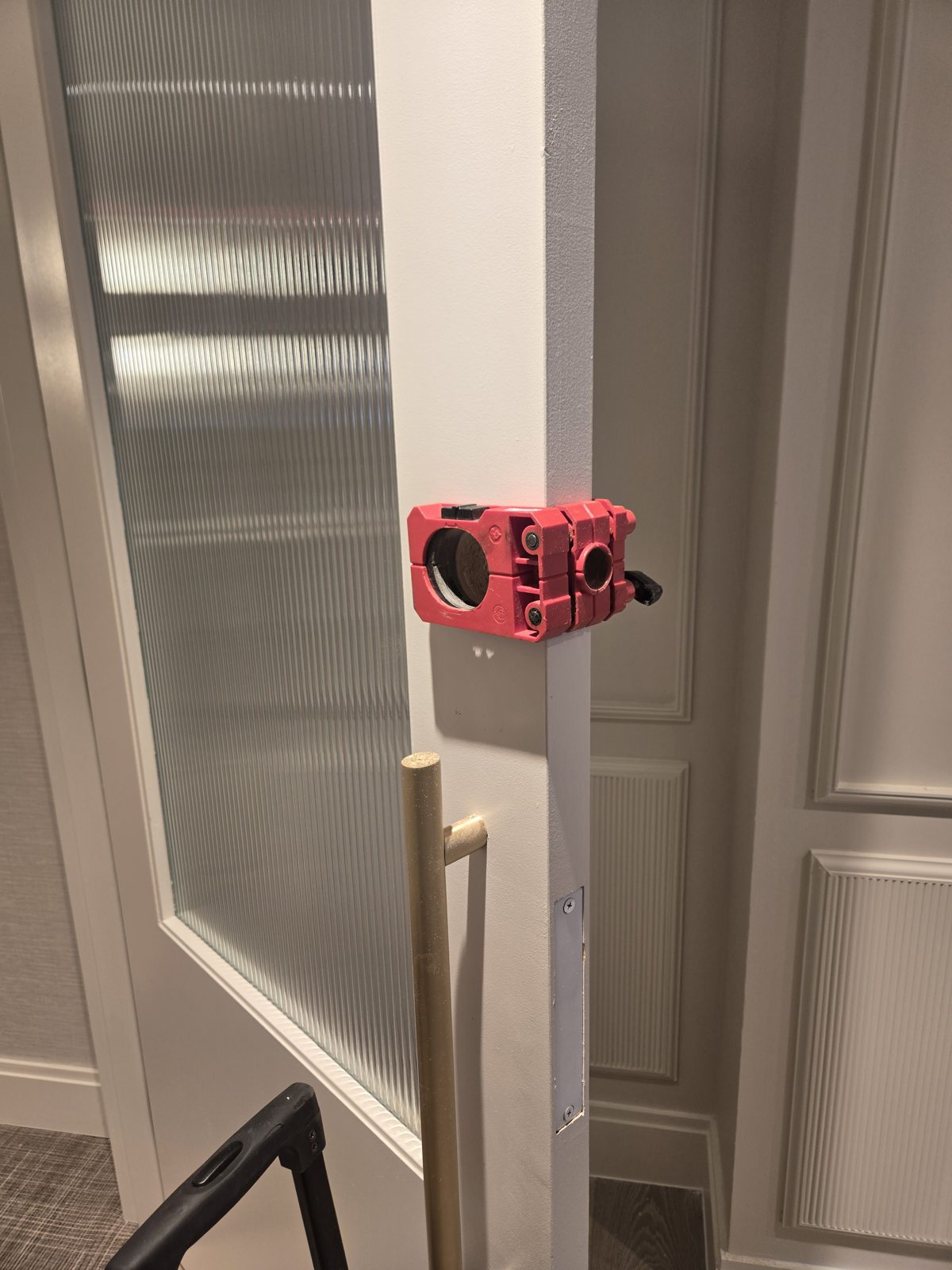
How to Change Locks on a Door: Choose the Right Fix
Start by deciding whether you need new hardware or simply need the existing lock to work with a different key. The right option depends on the lock’s condition, the door, and why you want to make a change.
Replace the lock when the hardware is damaged
Choose a replacement if the key sticks because parts are worn, the lock is visibly damaged, or you want a different lock style. A complete replacement usually means removing the existing lock body and fitting compatible new hardware.
Rekey when the lock works but the key should change
Rekeying changes the pins inside a compatible lock cylinder so an old key no longer operates it. It can suit a lock that works smoothly and is in good condition. If you are weighing up how to rekey locks, the process requires the correct pins and tools for that cylinder.
Check what the door can accept
A replacement must match the door’s thickness, the existing hole, and the distance from the door edge to the lock center. A mismatch can leave the lock loose, prevent the latch from reaching the strike plate, or require changes to the door.
Separate a lock problem from a door problem
A lock that turns poorly may be out of alignment with the strike plate rather than broken. If the door rubs, sags, or needs to be pushed hard to latch, check the door and frame before buying a new lock. New hardware will not correct a door that is out of position.
What to Check Before You Buy a Replacement
Before you remove anything, identify the lock and record the measurements you will need to select replacement hardware. Take a photo of the lock from both sides and of the latch edge; those details can help you compare the existing setup with the manufacturer’s fitting instructions.
- Lock type — Determine whether you have a deadbolt, a knob or lever lock, or a combined setup. Look for the manufacturer and model information on the hardware or its packaging, if available. Replacement parts must be intended for the type of lock you have.
- Door thickness and backset — Measure the door’s thickness and the backset, which is the distance from the edge of the door to the center of the lock opening. Use the new lock’s instructions to confirm that both measurements fit its stated requirements.
- Bore and latch openings — Check the diameter of the round opening through the door and the opening for the latch at the edge. Compare them with the replacement instructions. Do not assume that a new lock will fit simply because it looks similar to the old one.
- Door handing and finish details — Check whether the lock has parts that must be set for the door’s opening direction, and note the shape and position of the faceplate and strike plate. These details affect how the lock sits and latches. Follow the manufacturer’s guidance for the exact hardware you select.
Gather the Tools and Prepare the Door
For a common residential deadbolt or knob lock, you will usually need a screwdriver that fits the screws, a tape measure, and the replacement lock with its supplied parts. Keep the new lock’s instructions nearby. Depending on the design, you may also need a pencil to mark a position or a small container to hold screws so they do not get lost.
Work only on a door you own or have permission to service. If you rent, get the property owner’s approval before changing the lock or altering the door. Keep the door open throughout removal, installation, and testing so you do not accidentally lock yourself out while the hardware is unfinished.
Before starting, compare the replacement parts with the existing assembly. Locate the interior and exterior pieces, mounting screws, latch, faceplate, strike plate, and any adapter parts included by the manufacturer. If a required part is missing or the instructions do not match the door, pause and resolve that before taking the lock apart.
How to Change a Door Lock Step by Step
These steps describe a common deadbolt or knob lock. Lock designs differ, so use the instructions supplied with your replacement as the authority for part orientation and assembly. Do not force a component that does not line up.
- Keep the door open and confirm the fit — Make sure the door cannot close while you work. Compare the replacement’s required door thickness, backset, and openings with your measurements. If those specifications do not match, do not begin installation.
- Remove the interior screws — Use the correctly sized screwdriver to loosen the screws on the inside portion of the lock. Support the lock pieces as the screws come out so they do not drop or pull against the door. Check that the screws are removed without stripping their heads.
- Take apart the lock assembly — Separate the inside and outside pieces gently, then set them aside. Follow the old lock’s arrangement as a reference, but do not assume the new lock assembles in exactly the same order. Look for broken, bent, or missing parts that may point to a problem beyond normal replacement.
- Remove the latch from the door edge — Unscrew the latch faceplate at the door edge and draw the latch out of its opening. Note which way the beveled side faces so the replacement latch can be oriented correctly. Check that the new latch’s length and faceplate fit the opening.
- Install the new latch — Slide the replacement latch into the edge opening in the direction shown in its instructions. Fit the faceplate flush with the door and secure it with the supplied screws. Confirm that the latch moves smoothly when you operate it by hand.
- Position the new lock pieces — Place the exterior and interior parts through the door openings as directed, making sure the connecting pieces engage the latch. Keep the parts level and aligned rather than pulling them together with the screws. Check that the keyway and interior thumb turn face the intended directions.
- Tighten the mounting screws evenly — Start the mounting screws by hand, then tighten them with the screwdriver. Tighten each side gradually so the lock stays straight. Stop if the parts bind or the screws do not engage; forcing them can damage the hardware or door.
- Test before closing the door — With the door still open, turn the key and the interior thumb turn through their full movement. Check that the latch extends and retracts without sticking, then test the handle or knob. Only close the door after the lock operates correctly several times.
Check the Strike Plate and Door Alignment
A correctly installed lock should operate while the door is open and should latch without needing extra pressure when the door is closed. If the bolt meets the edge of the strike plate instead of entering its opening, check whether the latch and strike plate line up. A slight alignment issue may be at the frame, not inside the lock.
Test the door gently. Close it without locking, then operate the lock and handle. If the bolt does not extend fully, the key turns only partway, or the door must be lifted or pushed hard, open it again and inspect the fit. Do not keep forcing the key or turning the lock against resistance; that can damage the key or internal parts.
Look for obvious causes such as a strike plate that shifted during the work, a loose mounting screw, a latch installed in the wrong orientation, or hardware that is not seated flush. Consult the product instructions before making adjustments. If the door or frame needs repair, replacing the lock alone may not solve the issue.
What Can Go Wrong—and What to Do Next
Stop and reassess if the new lock does not fit the existing opening or if a part catches during installation. A small mismatch can become a bigger problem if you enlarge the door opening or force the lock into place. Work from the manufacturer’s directions and the measurements you took before removal.
- The lock is loose or crooked — Open the door and check that the latch and both lock halves are seated squarely. Loosen and realign the hardware before tightening the screws again. If the screw holes are damaged or the parts still shift, avoid relying on the lock until it is properly secured.
- The key or thumb turn binds — Check whether the lock parts are aligned and whether the mounting screws are overtightened. Test the lock with the door open to see whether the problem is in the hardware or caused by the door pressing against the frame. If the lock still binds when open, stop using force and consult a locksmith.
- The latch misses the strike plate — Inspect the position of the latch and strike plate with the door open and closed. A door that has shifted can make an otherwise functioning lock difficult to use. If alignment work or changes to the frame are needed, get help rather than cutting or drilling without knowing what is behind the surface.
- You find unfamiliar or damaged hardware — Older doors, unusual lock assemblies, and damaged openings may not accept a standard replacement. Keep the removed parts and avoid altering the door until you know what hardware is required. A locksmith can inspect the setup and explain the appropriate next step.
Should You Replace the Lock or Rekey It?
If the lock is in good working order, changing the key it accepts may be enough. If the hardware is worn, damaged, or the wrong fit for the door, replacement may make more sense. These options solve different problems, so decide based on the lock’s condition and what you need it to do.
Choose rekeying for a working lock
Rekeying changes the lock cylinder so it works with a different key while keeping the existing lock hardware. It is a practical option when the lock turns smoothly and you want to stop using an old key. Compatibility depends on the cylinder and lock design.
Choose replacement for damaged or unsuitable hardware
A new lock replaces the existing hardware and may be the better fit when parts are broken, worn, or incompatible with the door. Confirm the measurements and installation requirements before selecting a replacement. Replacing a lock will not correct a door or frame that is out of alignment.
Get help when the choice is unclear
If you cannot identify the lock, if the key sticks, or if the door needs force to latch, an inspection can help distinguish a lock fault from a door-fit issue. For a broader explanation of how to change locks, first note whether your goal is new hardware, a new key, or a repair; that distinction guides the right service.
When to Call a Locksmith for a Lock Change
Call a locksmith if the lock is broken, the key is stuck, the replacement does not match the door, or the hardware will not operate smoothly after careful installation. Professional help is also a sensible choice when the door or frame needs adjustment, the lock assembly is unfamiliar, or you do not have permission to modify the property yourself.
Locksmith Xpress provides mobile lock change and installation service in Gaithersburg and throughout Montgomery County. We drive to your home, car, or business; there is no storefront to visit. Our Maryland locksmith license is #733.
For help with the hardware, see our lock change & installation service. You can also learn about our locksmith in Gaithersburg service or contact us to arrange service. We are open Monday to Sunday, 8:00 AM to 8:00 PM.
Frequently asked questions
Can I change a door lock myself?
You can replace a common door lock yourself if you own the property or have permission, can match the replacement to the door, and can follow the manufacturer’s instructions. Keep the door open while you work and test the lock before closing it. Stop if the hardware binds, the parts do not fit, or the door needs adjustment.
How do I know whether to rekey or replace a lock?
Rekey a compatible lock that works smoothly when you only need it to accept a different key. Replace the hardware if it is damaged, worn, or does not suit the door. If you cannot tell which problem you have, a locksmith can inspect the lock and door.
Why does my new lock work with the door open but not when it is closed?
The latch may be hitting the strike plate because the door or frame is out of alignment. Open the door and check that the latch moves freely and the lock parts are secured correctly. If the door needs to be pushed or lifted to latch, the lock may not be the only issue.
Can Locksmith Xpress change a lock at my Gaithersburg home?
Yes. Locksmith Xpress is a mobile locksmith based in Gaithersburg and serves all of Montgomery County. We bring the service to your home rather than asking you to visit a storefront.
Need Help Changing a Door Lock?
Locksmith Xpress provides mobile lock change and installation service in Gaithersburg and across Montgomery County. Call (301) 806-1626.