
How to Remove a Broken Key
How to remove a broken key safely depends on whether any piece sticks out: stop turning the lock and inspect the opening first. If the key is flush, deep, or stuck in a car ignition, avoid probing and call a locksmith.
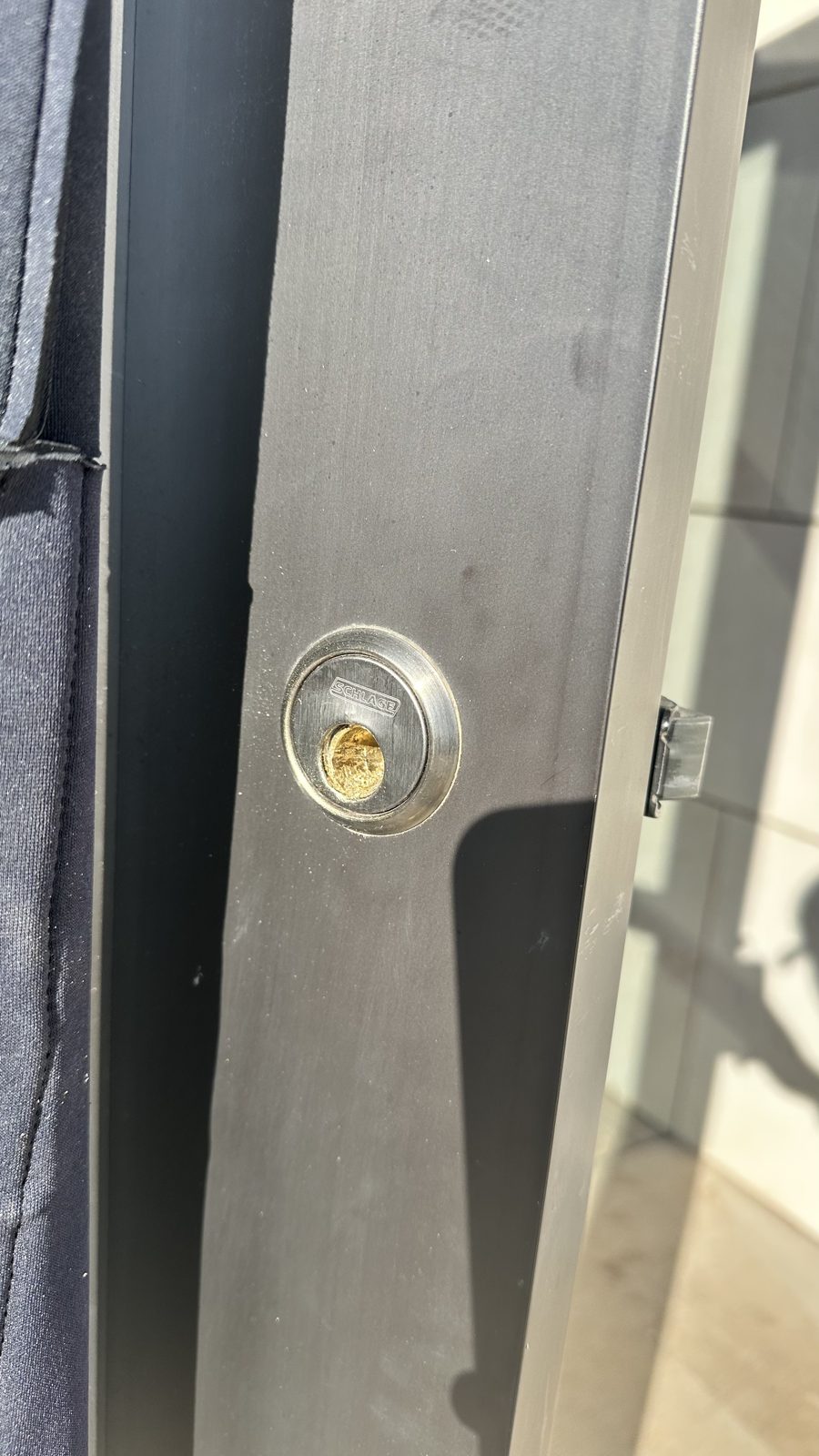
How to Remove a Broken Key Without Damaging the Lock
First, stop turning the key or lock. Turning the fragment can wedge it farther into the cylinder or put pressure on the lock’s internal parts. Do not use the broken piece to try to unlock the door or start the car.
Look at the keyway without inserting anything. If a section of the key extends beyond the face of the lock, a careful straight pull may work. If the fragment sits flush or farther inside, home removal is harder because you cannot grip it directly.
Check the lock’s position, too. If the key snapped while the lock was turned, do not twist the lock back and forth to line things up. Keep the door or car stationary and work only on a lock you own or are authorized to service.
A broken key stuck in a lock is not a reason to push a blade, pin, or other object into the opening. Those tools can drive the fragment deeper, scratch the cylinder, or leave another piece lodged beside it. The goal is to grip and withdraw the fragment, not to manipulate the lock.
Choose the Right Approach for the Key’s Position
The best next step depends on what you can see and where the key broke. Use the least forceful option that fits the situation, and stop as soon as the fragment shifts deeper or the lock begins to resist.
A piece sticks out
If enough metal is exposed to grip securely, try needle-nose pliers or tweezers with a steady, straight pull. This is the best situation for a careful owner-level attempt. Stop if the tool slips, crushes the key, or turns the fragment.
The fragment is flush or recessed
If you cannot grip the key without pushing a tool into the keyway, do not keep experimenting. A broken-key extractor is designed to engage a fragment inside a cylinder, but using one incorrectly can push the key deeper or damage the lock. Call a locksmith if the key does not come out with a gentle pull.
The key broke in a car ignition
Do not turn the ignition, start the vehicle, or insert a tool beside the fragment. The cylinder is compact, and the key may be lodged where a home remedy cannot reach it safely. Contact a locksmith who handles car key extraction.
The lock or door is under pressure
If the door is pushing against the bolt or the lock is not in its normal resting position, stop rather than twisting the fragment. Pressure can make a key harder to withdraw. Have a locksmith assess it before the cylinder or remaining key is damaged.
Gather a Few Simple Tools Before You Try
Keep the work area well lit and use only tools that let you pull outward. Do not make a tool fit by forcing it into the lock; if there is no clear grip point, move on to professional help.
- Flashlight — Use it to see the keyway and determine whether any metal is exposed. Check that you can see the fragment clearly before touching it.
- Needle-nose pliers or fine tweezers — Use these only when a visible section of key gives you a secure grip. Confirm that the tool can grasp the fragment without entering deeply into the keyway.
- A clean cloth — Use it to steady your hand and wipe away loose debris around the lock face. Check that no cloth fibers or debris have entered the opening.
- A lock-specific dry lubricant, if needed — Use only a product labeled for locks and compatible with your lock, and follow its directions. Apply a small amount only if the keyway is dry and the fragment is accessible; check that the lubricant has not left residue around the opening.
Follow These Steps for a Visible Key Fragment
Try these steps only when you can see and grip part of the broken key. Keep the lock still throughout the attempt. If the fragment moves inward or you feel resistance, stop and call a locksmith.
- Stop using the lock — Do not turn the cylinder, pull on the door handle, or try the key fragment in the ignition. Check that the lock is still and that no one is trying to operate it while you work.
- Illuminate the keyway — Shine a flashlight straight at the lock face so you can see the exposed part of the key. Check whether the fragment extends far enough for pliers or tweezers to grip without entering the cylinder.
- Clear the area around the lock — Wipe the outside of the lock with a clean cloth, but do not push debris into the opening. Check that the visible fragment and the lock face are clear.
- Hold the lock steady — Keep your hand away from the keyway and avoid twisting the cylinder or door hardware. Check that the lock is in a resting position; if it is turned or under pressure, stop here.
- Grip only the exposed metal — Place the tips of fine pliers or tweezers around the part that sticks out. Do not squeeze hard enough to bend or crush the key. Check that the tool is holding the key, not catching the lock face.
- Pull straight outward — Use a slow, steady motion that follows the keyway. Do not rock the fragment side to side or turn it. Check after a small movement that the key is coming outward rather than slipping deeper.
- Stop at the first sign of resistance — If the fragment will not move with light pressure, release it rather than increasing force. Check whether the tool has slipped or the key has shifted inward; if either happened, do not try another tool.
- Inspect the extracted pieces — Once the fragment is out, compare it with the remaining part of the key and look for additional pieces in the opening. Check that the keyway is clear before anyone attempts to use the lock again.
Avoid These Moves That Can Make the Problem Worse
A key fragment can be small, but the lock mechanism around it is delicate. These common attempts can turn a simple extraction into a damaged cylinder or a more difficult repair.
- Do not push the fragment — Avoid poking it with a pin, screwdriver, knife, or other thin object. Pushing from the front can wedge the key farther inside or scratch the cylinder.
- Do not use glue — Glue can bond the fragment to the cylinder or spread into internal parts. The broken key may become harder to grip, and the lock may need more work afterward.
- Do not twist or pry — Do not turn the fragment with pliers or lever a tool against the lock face. Twisting and prying put sideways force on the keyway and can bend the fragment or damage the lock.
- Do not keep adding sprays — Household oils and general-purpose sprays are not a substitute for a lock-specific lubricant. Repeated spraying can leave residue and make it harder to see or grip the fragment.
- Do not test the lock with a partial key — A remaining piece of key can slip or break again if you try to turn the cylinder. Set the pieces aside and wait until the keyway is clear and you have a working key.
Know When It Is Time to Call a Locksmith
Call a locksmith if the fragment is flush or deep in the keyway, the key broke in a car ignition, or a gentle pull does not move it. Stop immediately if the key shifts inward, the tool slips, the lock turns unexpectedly, or you feel that you need more force.
Professional extraction is also the safer choice when the lock is turned, the door is pressing against the bolt, or the broken key has bent. Continuing to try different household tools can damage the cylinder and make it harder to use afterward.
Locksmith Xpress provides broken key extraction service for homes, cars, and businesses. We are a mobile locksmith based in Gaithersburg and drive to the customer’s location; there is no storefront to visit.
Check the Lock Before Using It Again
After the fragment comes out, look into the keyway with a flashlight. Confirm that no small piece remains and that the opening is clear. If you cannot tell whether the full key came out, do not insert another key to test it.
Keep both broken pieces together and avoid using the damaged key again. A locksmith or key professional can help determine whether you need a replacement key and whether the lock or ignition needs attention. If the lock feels rough, resists movement, or does not return to its usual position, leave it unused until it has been checked.
If the lock works normally after the fragment is removed, use a complete, undamaged key and turn it gently. Do not force a replacement key that catches; a poor fit or remaining debris can cause another break.
Get On-Site Help for a Broken Key in Gaithersburg
A stuck fragment can interrupt access to your home, car, or business. Locksmith Xpress is a mobile locksmith in Gaithersburg serving all of Montgomery County. The key-cutting machine is in the service van, and key cutting is done on site when a replacement is needed.
Our service van can come to your home, car, or business, so you do not need to visit a storefront. To learn more about our locksmith in Gaithersburg services or arrange help, contact us. We are open Monday to Sunday, 8:00 AM to 8:00 PM, and are licensed in Maryland under License #733.
Frequently asked questions
Can I pull out a broken key that is sticking out of the lock?
You can try a gentle, straight pull with fine pliers or tweezers if enough metal is exposed for a secure grip. Do not twist, pry, or squeeze hard. Stop if the key slips, bends, or moves farther into the lock.
What should I do if the broken key is flush with the lock?
Do not push a pin, blade, or other tool into the keyway to reach it. A recessed fragment is difficult to grip without a suitable extractor, and probing can wedge it deeper. Call a locksmith rather than trying more household tools.
What if a key breaks in my car ignition?
Do not turn the ignition or insert tools beside the fragment. Keep the vehicle stationary and contact a locksmith who handles car key extraction. If the piece is lodged inside the cylinder, stop trying to pull it out yourself.
Does a broken key mean I need a new lock?
Not necessarily. The next step depends on whether the fragment can be removed and whether the cylinder was damaged. Have the lock checked if it still catches, feels rough, or will not operate normally after the fragment is out.
Need Help With a Broken Key?
Call Locksmith Xpress at (301) 806-1626 for mobile broken key extraction in Gaithersburg and Montgomery County.