
How to Secure Your Front Door
If you’re working out how to secure your front door, begin by checking the lock, the door frame, and how the door closes. Choose a repair, rekey, or lock replacement based on what you find and who may have a key.
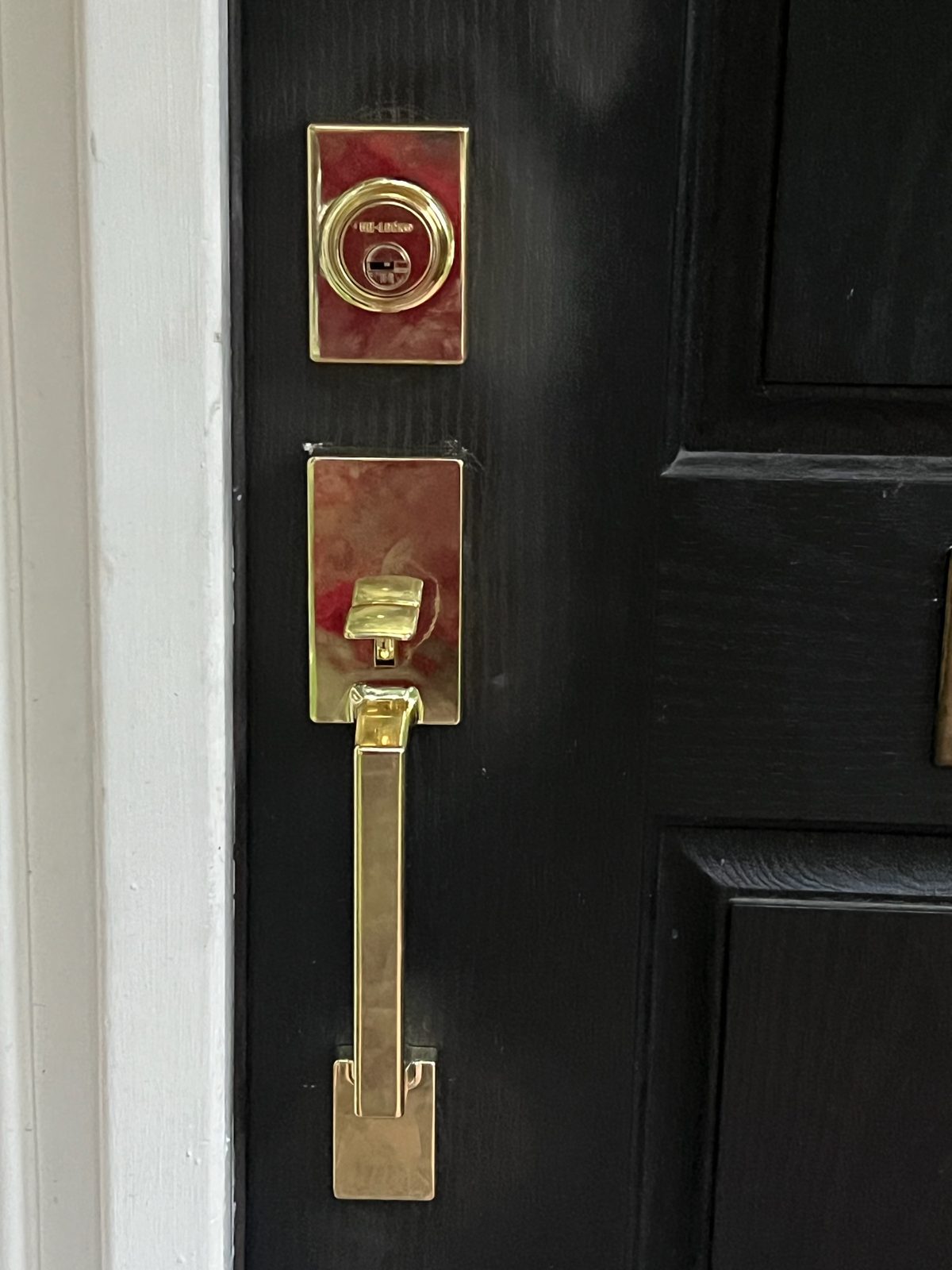
How to Secure Your Front Door: Start With the Door and Frame
A secure entry starts with a door that closes fully and a frame that holds the lock hardware in place. Before buying a new lock, open and close the door slowly. Notice whether it rubs, sags, or needs a push or pull to latch. A new lock may not solve a problem caused by a misaligned door or a loose frame.
With the door open, turn the inside thumbturn or handle and watch the bolt or latch move. It should travel smoothly without sticking. Then close the door and check whether the bolt lines up with the opening in the strike plate, the metal plate attached to the frame. If the bolt scrapes or misses the opening, look for a fit problem before changing hardware.
Look over the lock, the screws you can see, and the area around the strike plate. Loose hardware, visible damage, or a door that does not sit evenly in its frame may call for repair as well as a new lock. If the door or frame is damaged, do not assume a lock-only change will address the whole issue.
Choose Between Repair, Rekeying, and Replacement
The right solution depends on the condition of the existing lock and whether you need to change which keys work. A key that sticks does not always mean the whole lock must be replaced, while a working lock may still need a key change if you no longer control who has copies.
Repair the existing lock
Consider repair when the lock is damaged, loose, or difficult to operate but the current key arrangement is still appropriate. Also check whether the door is sagging or misaligned; correcting that issue may be necessary for the lock to work properly. If the key or bolt continues to stick, stop forcing it and have the cause assessed.
Rekey the lock
Rekeying changes which key operates a compatible lock while keeping the existing hardware. It can suit a situation where the lock itself works and you want old keys to stop operating it. A locksmith can check whether your lock can be rekeyed and complete the work without replacing the entire lock.
Replace the lock
Replacement makes sense when the hardware is damaged, you want a different type of lock, or the existing lock is not a good fit for the door. Check the replacement lock’s fit requirements before you buy it, including the door thickness and the positions and sizes of the existing holes. If you are comparing options, our lock change & installation service covers on-site lock work.
Add or improve a deadbolt
A deadbolt is a separate locking option to consider alongside a working entry set. Choose hardware intended for your door and install it according to its instructions. A deadbolt cannot make up for a weak or damaged frame, so check the door and strike area as part of the decision.
What to Check Before You Buy a Replacement Lock
Take a few minutes to gather the details that determine whether a lock will fit and what work the door needs. If you rent, contact the property owner or manager before changing hardware. Keep the old lock and its parts together until the new lock is installed and tested.
- Door and frame condition — Check that the door closes without lifting or pushing hard and that the frame around the lock is solid. If the frame is split, loose, or badly worn, address that condition rather than relying on replacement lock hardware alone.
- Lock type and operation — Identify whether you have a deadbolt, a handle set with a latch, or both. Note whether the key and inside control operate smoothly, and whether the current problem happens with the door open, closed, or both.
- Fit measurements — Use a tape measure and the current lock’s instructions to check door thickness, the distance from the door edge to the lock opening, and the size and spacing of holes. Compare these measurements with the replacement lock’s stated requirements before opening the package.
- Key access and control — Consider who should have a working key, whether you can account for existing copies, and whether the lock should use a different key from other doors. Do not leave a key where an unauthorized person can easily find it.
- Tools and instructions — For a straightforward replacement, gather a screwdriver, tape measure, pencil, the new lock, and its installation instructions. Use the tools and fasteners specified by the lock maker; forcing a part or substituting hardware can lead to a poor fit.
How to Change a Front Door Lock Safely
Only take on the installation if you own the property or have permission to change the lock, and the new hardware matches the door. Keep the door open while you install and test the lock so you do not accidentally lock yourself out. Follow the instructions supplied with the specific lock; designs differ, and the manufacturer’s directions take priority.
- Confirm the lock and fit — Compare the new lock with the door’s measurements and check that its parts match the existing openings. Read the full instructions before removing anything. If the dimensions or lock type do not match, stop and choose compatible hardware rather than enlarging holes by guesswork.
- Keep the door open and prepare the work area — Open the door fully and keep it from swinging shut while you work. Lay out the screwdriver, tape measure, new lock parts, and instructions where you can reach them. Confirm that the key and inside control supplied with the new lock are present.
- Remove the old hardware — Use the screwdriver to remove the visible mounting screws, then take off the inside and outside lock pieces as the instructions describe. Remove the latch from the door edge only if the replacement instructions call for it. If a part is stuck or the door begins to splinter, stop instead of prying hard.
- Check the latch and openings — Compare the old latch with the new one and confirm the replacement fits the door’s edge opening. Follow the instructions to orient the latch correctly for the door. Check that it moves freely by hand before mounting the rest of the lock.
- Fit the outside and inside pieces — Place the lock components through the door in the order shown in the instructions. Make sure the connecting parts line up with the latch before tightening the screws. Tighten the hardware evenly and snugly; do not force a screw that will not catch or continue tightening after the parts are secure.
- Attach the strike plate — Position the strike plate at the frame opening so the bolt can enter it when the door closes. Use the fasteners specified for the lock and follow its instructions for the plate. Check the fit with the door still open before moving on.
- Test the lock with the door open — Turn the inside control and use the new key while watching the latch or bolt move. Check that both operate smoothly and that the bolt extends and retracts fully. If the key binds or a part shifts, stop and check the alignment and instructions.
- Test the closed door — Close the door gently and test the lock from both sides using the normal key and inside control. Confirm the door latches without lifting, pulling, or pushing it into place. If the bolt scrapes, fails to enter the strike plate, or the door is difficult to open from inside, correct the fit before relying on the lock.
What Can Go Wrong During a Lock Change
A replacement lock can be the wrong size or type even when it looks similar to the old one. Check the measurements and instructions before installation. If the latch, connecting parts, or mounting holes do not line up, do not force them into place or drill new holes without knowing the door construction and the hardware requirements.
A lock that works while the door is open but binds when it is closed usually points to an alignment issue between the bolt and strike plate, or to a door that is not sitting correctly. Recheck the door’s movement and the strike position. Do not keep turning a key against resistance; that can damage the key or lock.
Another common problem is tightening mounting screws unevenly or too much. The lock may become difficult to turn if parts are pulled out of alignment. Loosen and refit only as the instructions allow. If the hardware still catches, a part is damaged, or you are unsure how the lock should sit, stop and get help rather than leaving an unreliable entry lock in place.
Check More Than the Front Door Lock
A front-door lock is only one part of your home’s entry security. Check that other exterior doors close and latch, and look at the frames and hardware around them too. Make sure windows and other accessible entry points are closed and secured using their intended controls. If you add or change locks, think through how household members will enter and leave without blocking normal access.
Keep the key plan simple. Decide who needs a key, collect keys you no longer want in circulation when you can, and avoid hiding a spare in an obvious place near the entrance. If you have changed who should be able to enter, ask a locksmith whether rekeying or replacing the relevant locks fits your situation.
Smart locks and keypad locks can change how you manage entry, but they still need to fit the door and be installed correctly. Before choosing one, consider who will use it, how you will manage access, and what you will do if its electronic features stop working. Review the manufacturer’s instructions and keep a suitable backup way to access the home.
When to Call a Locksmith for Front Door Security
Call a locksmith if the lock is damaged, the key or bolt repeatedly sticks, the door or frame needs attention, or the replacement hardware does not fit. Professional help also makes sense when you want to change who has working keys but are unsure whether your lock can be rekeyed. Stop if you cannot complete the work without forcing parts or leaving the door unable to lock and unlock normally.
Locksmith Xpress is a mobile locksmith based in Gaithersburg, serving all of Montgomery County. We come to your home, and our key cutting machine is in the service van so lock work is done on site. Find a locksmith in Gaithersburg or contact us to discuss your front door lock. We are open Monday to Sunday, 8:00 AM to 8:00 PM.
We provide lock change and installation as well as lock rekeying and lock repair. Locksmith Xpress is licensed in Maryland, License #733 (State of Maryland). A locksmith can assess the lock, check whether it is compatible with rekeying or replacement, and help you choose a practical next step.
Frequently asked questions
How do I change locks on a door?
First confirm you own the property or have permission, and check that the replacement lock fits the door. Keep the door open, follow the lock’s instructions, and test the key and inside control before closing the door. If the hardware does not line up or the lock binds, stop rather than forcing it.
What should I do if I have locked keys in my car?
If the keys are inside your own car, avoid trying to pry or bypass the lock; that can damage the vehicle or create a safety risk. Contact a locksmith for help with the car lockout. Never attempt to enter a vehicle you do not own or have permission to access.
Should I rekey or replace my front door lock?
Rekeying may fit when the existing lock works and you want to change which keys operate it. Replacement may be a better choice when the hardware is damaged or you want a different lock. A locksmith can check the lock and help determine which option fits your door.
Why does my new front door lock work with the door open but stick when it is closed?
The bolt may not line up with the strike plate, or the door may be shifting or sitting unevenly in its frame. Check the alignment and the lock instructions without forcing the key or bolt. If the door still binds, have the lock and frame assessed before relying on it.
Need Help With Your Front Door Lock?
Locksmith Xpress provides mobile lock change, rekeying, and repair service in Gaithersburg and throughout Montgomery County. Contact us to discuss your door.