
What Is a Deadbolt? Types, Grades and How They Work
What is a deadbolt? It is a door lock that secures the door with a solid bolt moved by a key or thumbturn. Learn how deadbolt types and grades differ, what to check on your door, and when to get help with the fit or installation.
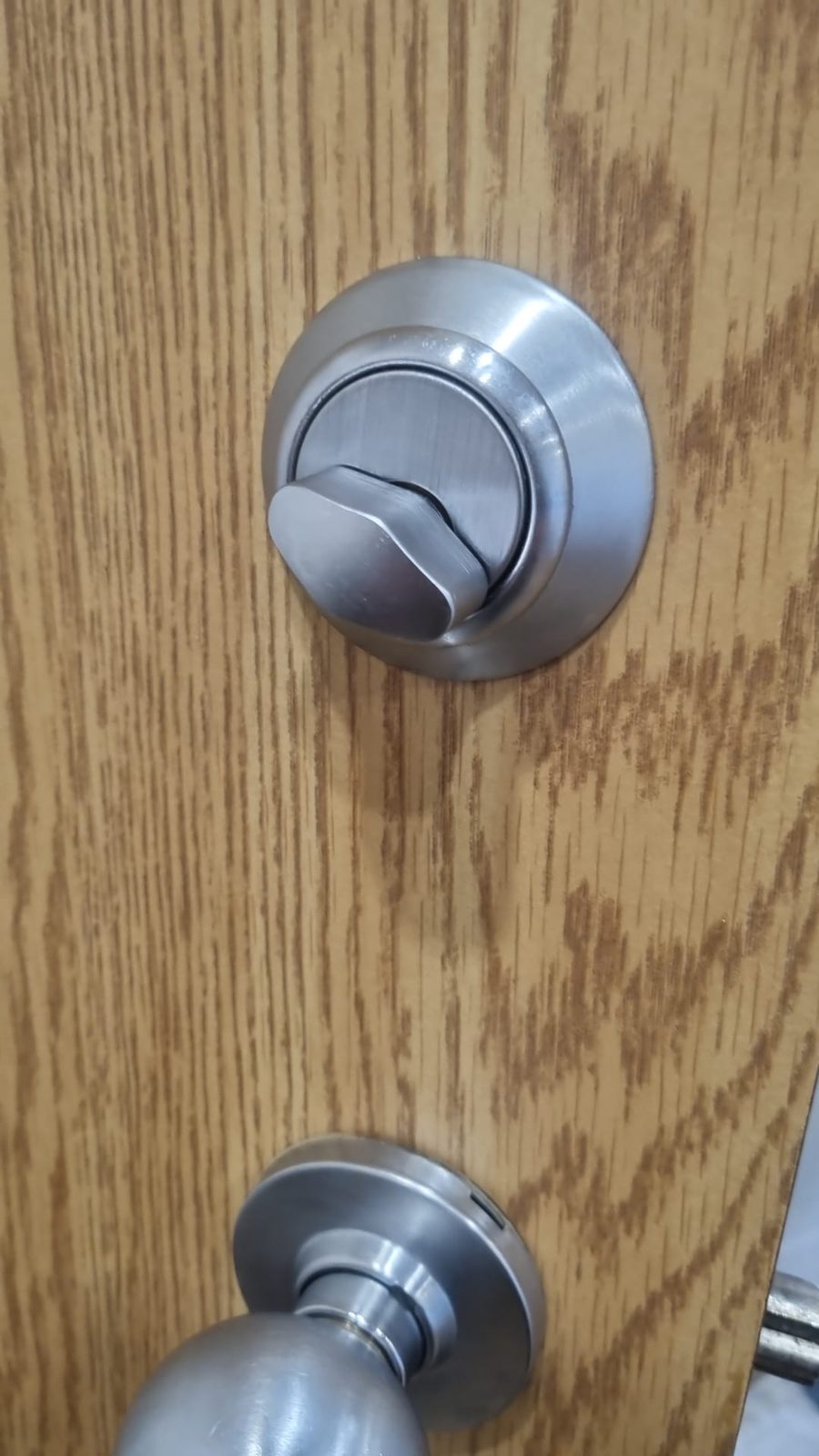
How Does a Deadbolt Work?
A deadbolt locks a door by extending a solid metal bolt from the edge of the door into a strike plate in the frame. On a keyed deadbolt, you turn a key from outside or a thumbturn from inside. The bolt does not rely on a spring to stay extended, which is one way it differs from the latch on a standard doorknob.
When the bolt is fully extended, it should enter the strike opening without scraping or forcing the door. The door, frame, strike plate and fasteners all play a part in how the lock works. A sturdy deadbolt can still bind or fail to secure the door if the frame is loose, the parts do not line up, or the door has shifted.
A deadbolt is usually installed above a door knob or lever, but it can also be used on some other types of doors when the lock and door are compatible. It is a locking device, not a substitute for a sound door, a secure frame or safe habits. Check that everyone who needs to leave can operate the inside hardware easily.
Which Deadbolt Type Fits Your Door?
The right type depends on your door, the way you use it and what you need from the inside hardware. Before choosing, check whether the door is solid or hollow, whether it has glass nearby, and whether a deadbolt is already installed. Follow the lock maker’s requirements for door thickness and preparation.
Single-cylinder deadbolt
This common style uses a key on the outside and a thumbturn on the inside. It is straightforward to operate when you are home and lets people exit without finding a key. It may not suit every door, especially when nearby glass could allow someone to reach the thumbturn.
Double-cylinder deadbolt
This style requires a key on both sides. It can be considered where glass near the lock is a concern, but needing a key to exit can create a safety risk. Think carefully about emergency egress and the needs of everyone in the household, and check applicable requirements before selecting one.
Keyed deadbolt with a separate thumbturn
Some designs combine an exterior key cylinder with an interior turn piece in a particular trim or body style. Confirm that the hardware matches your door and intended use. Do not assume that a different-looking trim changes the lock’s security performance.
Electronic deadbolt
An electronic deadbolt may use a keypad or another electronic method for entry, while still moving a physical bolt into the frame. Check the manufacturer’s instructions for power, backup entry and setup. A keypad does not correct a misaligned door or weak strike area.
What Do Deadbolt Grades Mean?
On many residential locks, a grade refers to performance testing under a standard such as ANSI/BHMA. Grade 1 is the highest of the three common grades, followed by Grade 2 and Grade 3. The grade is a useful comparison point, but it is not a promise that a door cannot be forced or that the lock is suitable for every opening.
Check the product’s packaging or specifications for the stated grade and what standard it was tested against. Compare the full lock, not just one feature such as a large-looking bolt. The strike plate, screws, door material and frame condition also affect how well the installed assembly works.
A higher grade may be worth considering for an entry door that gets frequent use or needs a more robust lock. A lower grade may meet the needs of another opening, depending on its purpose and construction. Do not pick by grade alone: verify that the product fits your door and that people can use it safely.
How to Choose a Deadbolt for Your Situation
Start with how the door is built and how people use it every day. A lock that fits the opening and works smoothly is a better choice than one selected by appearance alone. Use this checklist before buying or replacing hardware.
- For a main entry door — Look for a deadbolt rated for the intended use and compatible with the door’s thickness and bore holes. Inspect the door and frame too; a new lock will not fix a loose frame or damaged door.
- For a door with nearby glass — Consider whether the inside thumbturn could be reached through the glass. A double-cylinder design may address that concern, but it also requires a key to exit. Weigh the added key requirement against safe, convenient egress.
- For a household with children or guests — Choose hardware that the people using the door can operate correctly. Make sure everyone knows how to unlock it from inside, and avoid a setup that leaves someone searching for a key during an urgent exit.
- For a door that already has a deadbolt — Check whether the lock is worn, the key is difficult to turn, the bolt rubs, or the strike area is damaged. A small alignment problem may need attention before replacing the lock; a damaged or incompatible lock may call for new hardware.
- Before buying any replacement — Measure the door thickness and the distance from the door edge to the center of the lock opening, called the backset. Check the existing hole sizes and the product’s included parts. If measurements or compatibility are unclear, pause rather than forcing a part to fit.
How to Install and Check a Deadbolt
A homeowner can handle a straightforward replacement when the door is in good condition and the new lock matches the existing preparation. Follow the lock maker’s instructions for the exact model. If the door needs new holes, the frame is damaged, or you are unsure about safe egress, have the work assessed before changing the hardware.
- Confirm you have the right to work on the door — Only install or change a lock on a door you own or are authorized to maintain. Check that the door is stable and that you can keep it open while working. If you rent, get the required permission before changing the lock.
- Gather the correct parts and tools — Use the deadbolt, strike plate, screws and template supplied for the model. A tape measure, pencil and screwdriver are typical tools for a replacement. Check that the instructions match the parts in the package before removing the existing hardware.
- Measure and compare the door — Measure door thickness and backset, then compare both with the new lock’s requirements. Look at the existing bore and edge opening for damage. Stop if the dimensions do not match; do not force the bolt or lock body into an unsuitable opening.
- Remove the old deadbolt carefully — Keep the door open and follow the maker’s directions to remove the inside and outside pieces. Set aside the screws and old parts so you can compare them with the replacement. Check that the edge opening and lock area are sound and free of loose material.
- Set the bolt in the correct direction — Use the instructions to orient the bolt for the door’s swing and the lock’s design. The bolt should sit flush in the door edge, and its moving part should face the correct way. Check its movement by hand before fitting the lock body.
- Fit the exterior and interior pieces — Place the lock parts through the door as shown in the instructions, then align and tighten the supplied screws evenly. Do not overtighten or force pieces into place. Check that the inside thumbturn and exterior key cylinder sit straight and move smoothly.
- Attach and align the strike plate — Position the strike plate so the bolt enters its opening when the door closes. Use the supplied fasteners and follow the instructions for the frame. With the door open, extend and retract the bolt; then close the door gently and confirm the bolt enters without scraping.
- Test from both sides before relying on it — With the door open, test the key and thumbturn several times. Close the door and repeat without pushing or pulling it to make the bolt move. Confirm that the door locks and unlocks smoothly and that everyone who needs to exit can operate the inside hardware.
What Can Go Wrong With a Deadbolt?
A bolt that catches on the strike plate often points to a fit or alignment issue. The door may sag, the hinges may be loose, or the frame may have shifted. Do not keep forcing the key or thumbturn; repeated pressure can damage the lock or key. Check for visible movement or loose hardware, and have the door and lock inspected if the bolt still binds.
A key that turns stiffly can also signal wear, dirt, a damaged key or a problem inside the lock. Try a known, undamaged key if you have one, but do not bend the key or push it hard. If it sticks or the lock will not operate, stop before the key breaks. For safe advice on a broken key, see our guide to How to Remove a Broken Key only if it can be linked from this article; otherwise, contact a locksmith rather than attempting to force it out.
A deadbolt that moves but does not secure the door may have a loose strike plate, a bolt that is too short for the opening, or a damaged frame. Check whether the plate or surrounding wood shifts when the door is closed. If you see cracks, stripped screw holes or other damage, replacing only the lock may not solve the problem.
Call a locksmith when the lock is damaged, the door or frame needs repair, the replacement does not fit the existing opening, or the bolt still binds after basic checks. Never try to open or defeat a lock on a door you do not own or have permission to service. Our lock change & installation service can help with deadbolt replacement and installation in Gaithersburg and Montgomery County.
When Should You Replace or Change a Deadbolt?
Replacement makes sense when the deadbolt is broken, badly worn, incompatible with the door or difficult to operate after the underlying alignment problem has been addressed. It is also a practical choice when you want a different lock type or when the current hardware does not meet your needs. First identify what is wrong: a door that has shifted may need adjustment, not just a new lock.
If you have moved into a home or no longer know who has keys, consider whether to replace the lock or have it rekeyed. Replacing changes the hardware; rekeying changes which key operates a compatible lock. The right option depends on the lock’s condition, compatibility and your preference. Avoid making a decision based solely on the outward style of the lock.
When a deadbolt needs replacement, keep the door secure while you arrange the work. If you can still lock it safely, use the hardware as intended and avoid leaving the door unsecured. If it will not lock or the frame is damaged, limit access to the affected door and contact a locksmith for help. For a local overview of our work, see Locksmith Xpress, a locksmith in Gaithersburg.
When to Get Help With Deadbolt Installation
Get help if the new lock will not sit flush, the bolt does not line up, the door or frame is damaged, or the instructions call for drilling or changes you are not equipped to make. The same applies if a double-cylinder lock could make exiting difficult or if you cannot confirm that the hardware is appropriate for the opening. Do not solve a fit problem by forcing the bolt or leaving the strike plate loose.
Locksmith Xpress is a mobile locksmith based in Gaithersburg and serves Montgomery County. We come to your home, car or business; there is no storefront to visit. For deadbolt work, we can assess the door and help with lock change and installation. We are licensed in Maryland, License #733, State of Maryland.
If you need help deciding what to do next, contact us to discuss the deadbolt and the door it is installed on. When you can, note whether the bolt binds with the door open, whether the key turns, and whether the strike plate or frame appears loose. Those details help describe the problem clearly.
Frequently asked questions
What is the difference between a deadbolt and a door knob lock?
A deadbolt uses a solid bolt that moves into the door frame, while a typical knob or lever lock uses a spring-loaded latch. Many entry doors have both, so the knob latch and deadbolt work as separate parts. A deadbolt still depends on a properly fitted door, frame and strike plate.
Is a single-cylinder or double-cylinder deadbolt safer for a door with glass?
A double-cylinder deadbolt requires a key on both sides and may address the concern that someone could reach an inside thumbturn through nearby glass. However, needing a key to exit can create a safety risk. Consider the door layout and safe egress before choosing, and check applicable requirements.
Can a deadbolt be installed on any door?
No. The door must be compatible with the lock’s thickness, backset and preparation, and the frame must support the strike plate. A door with damage, unusual construction or an existing opening that does not match the new lock may need professional assessment before installation.
What is a locksmith, and when should I call one for a deadbolt?
A locksmith works with locks, keys and related hardware. Call one if the deadbolt is damaged, will not align, does not fit the door, or remains difficult to operate after you check for obvious alignment issues. A locksmith can assess whether the problem is the lock, the door or the frame.
Need Help With a Deadbolt?
Locksmith Xpress serves Gaithersburg and Montgomery County. Call (301) 806-1626, Monday to Sunday, 8:00 AM to 8:00 PM.