
What Is a Key Code?
A key code is a set of letters, numbers, or both that identifies the cuts needed for a matching key. It can help a qualified locksmith or key professional determine the correct key pattern, but it does not tell you whether the key also contains electronic components.
What Is a Key Code, Exactly?
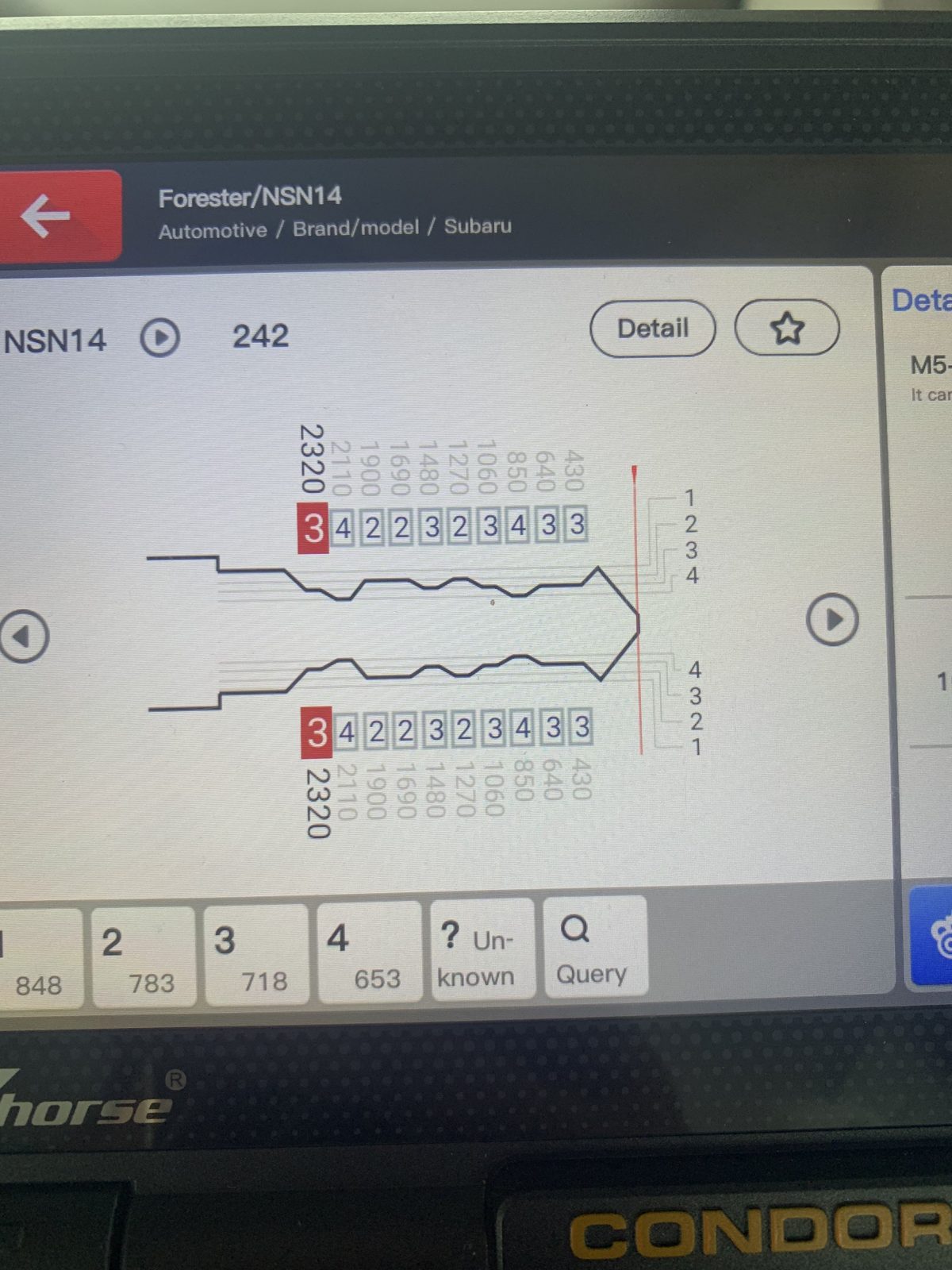
A key code is information used to identify the shape and depth of the cuts for a particular key. Those cuts line up with parts inside a compatible lock so the key can turn it. Depending on the key system, the code may be made up of numbers, letters, or a combination of both.
Think of the code as a reference for the key’s physical pattern, not as a key itself. It does not unlock a vehicle, and it is not necessarily a universal identifier that works across every lock or car. The code must be interpreted for the correct key system and matched to a compatible blank.
A key code also does not describe every feature of a modern car key. Some keys have a metal blade and an electronic transponder, remote buttons, or smart-key functions. Cutting the blade and making the electronic parts work are separate tasks. If you need a duplicate, a car key duplication service can help you understand which parts your key needs.
Where Can You Find a Car Key Code?
There is no single place where every driver can find a key code. Its location and availability depend on the vehicle and key system. Some owners may have code information in paperwork or records from when the vehicle or key was supplied; other vehicles may require a qualified professional to identify the correct key information.
Start with materials you already have, such as the owner’s manual, key records, or documents from the original purchase. Do not assume the code is printed in the manual, on the key, or on the vehicle. Avoid sharing a code publicly or leaving it where someone could connect it to your car.
If you cannot find a code, that does not automatically mean you cannot get another key. A professional can explain what information is useful for your situation and whether duplication or another replacement route is appropriate. A code alone also may not settle questions about compatibility, electronic programming, or whether the key is authorized for your vehicle.
Which Key Option Fits Your Situation?
Choose the next step based on what still works and what you need the new key to do. A code can help with the blade pattern, but the right solution may also involve the original key, a compatible blank, or programming at the car.
You have a working key and want a spare
Ask about duplicating the existing key. A working key gives the professional a useful reference, but the new key may still need electronic programming if it has a transponder, remote, or smart-key feature.
You have a key code but no working key
Share the code only with a professional handling your request, along with accurate vehicle information. Ask whether the code is enough to identify the blade and whether separate programming is needed.
Your key has remote or smart functions
Do not treat blade cutting as the whole job. The key’s electronic functions may require programming at the vehicle. Locksmith Xpress programs key fobs, smart keys, and transponder keys at the customer’s car.
You have no key and no code
Contact a qualified professional or the vehicle’s appropriate support channel to ask what information they need. Do not try to bypass the vehicle’s lock or ignition; use a legitimate replacement process for a vehicle you own or are authorized to use.
What Should You Gather Before Requesting a Duplicate?
A little preparation helps keep the discussion focused on the key you actually need. Gather information you can verify, and share it directly with the professional who will handle the work.
- The key you currently use, if you have one — Bring the working key rather than relying on a description. Mention whether it starts the vehicle and whether its buttons or other functions work.
- Vehicle details — Provide accurate identifying details when asked so the professional can assess the key type. Do not guess at information you do not know.
- Any key code or related records — Share code information privately and only when it is relevant to the job. If you are unsure whether a number is a key code, say where you found it instead of presenting it as confirmed.
- A clear description of the problem — Say whether you need a spare, lost your only key, have a damaged key, or have a key that works mechanically but not electronically. These situations may call for different next steps.
- Confirmation you own or may use the vehicle — Be prepared to establish that you own the vehicle or are authorized to request work on it. Do not seek a key or code for a vehicle you do not have permission to access.
How Does Key Code-Based Duplication Work?
The exact process depends on the vehicle and key. These owner-level steps help you prepare and check the result without attempting to open, bypass, or defeat a lock.
- Identify what you need — Decide whether you want a spare, need a replacement for a lost key, or need help with a damaged one. Check whether the key starts the car and whether its buttons work, so you can describe the issue accurately.
- Gather the key and available records — Set aside the working key, key code if you have one, and relevant vehicle information. Check that you have the right key and that any recorded code is legible before sharing it.
- Confirm the key type — Tell the professional whether the key has a metal blade, remote buttons, or a smart-key design, if you know. Do not assume appearance proves how the key works; ask what needs to be cut and what may need programming.
- Agree on the appropriate route — Ask whether your situation calls for duplication from the working key, use of a key code, or another replacement process. Confirm that the plan addresses both the blade and any electronic features you need.
- Have the key cut by a professional — A key-cutting machine shapes a compatible blank to the required pattern. After cutting, check that the blade is the intended type and is not visibly bent or damaged; do not force it into a lock.
- Program electronic features if needed — A transponder, fob, or smart key may need programming at the vehicle. Ask which functions are included in the work, then check that the key starts the car and that the requested remote or smart functions operate.
- Test the result carefully — With the vehicle safely parked, test the new key in the ways it is meant to work. Confirm that the blade operates as expected and that electronic functions respond; if something fails, stop using the problem key and contact the professional who performed the work.
What Can Go Wrong With a Key Code?
A code can be incomplete, recorded incorrectly, or mistaken for another number. It may also refer to a different key system than the one you need. If the key cut from it does not work, do not keep forcing the key or repeatedly turning it; that can damage the key or put extra strain on the lock.
A correctly cut blade can still fail to start a car if its electronic component is missing, incompatible, or not programmed. A remote that does not respond may point to a separate issue from the blade. Describe exactly what works and what does not, rather than assuming every problem comes from the key code.
If the original key is worn or damaged, a copy made from it may carry over problems in its shape. Tell the professional about sticking, unusual resistance, or intermittent operation before work begins. For a key that is broken, jammed, or not turning properly, avoid improvised tools and see our guide on how to copy a car key for related duplication considerations.
When Should You Call a Locksmith?
Call a locksmith when you have no working key, cannot confirm what a code means, need electronic programming, or are not sure which key type fits your vehicle. A professional can help assess the key and explain the next step. Do not try to open or bypass a car lock, ignition, or security system yourself, and never attempt to access a vehicle you do not own or have permission to use.
Locksmith Xpress is a mobile locksmith based in Gaithersburg and serves all of Montgomery County. The key-cutting machine is in the service van, so key work is done on site; key fobs, smart keys, and transponder keys are programmed at the customer’s car. You can learn more about our locksmith in Gaithersburg service or contact us to discuss your car key duplication need.
There is no storefront to visit. We are open Monday to Sunday, 8:00 AM to 8:00 PM, and are licensed in Maryland under License #733.
A Key Code Is a Starting Point, Not the Whole Key
A key code helps identify the physical cut pattern for a compatible key. It does not automatically provide a complete replacement, confirm electronic compatibility, or program a transponder, fob, or smart key. The right option depends on whether you have a working key, what features the key needs, and what information is available.
Gather the key and records you have, describe the problem clearly, and ask a qualified professional which steps apply to your vehicle. Once the new key is made, check the blade and every function you requested. If any part does not work as expected, stop and ask the professional to assess it rather than forcing the key.
Frequently asked questions
Can I make a car key from a key code alone?
A key code can identify the cuts for a compatible key, but it may not supply everything needed for a working replacement. The key may also need the correct blank and, for electronic keys, programming at the vehicle. Ask a qualified professional to confirm what your specific situation requires.
Is a key code the same as a VIN?
No. A key code refers to information used to identify a key’s cut pattern, while a VIN identifies a vehicle. Do not assume a VIN is itself a key code or that it is all a professional needs to make a key.
What is a locksmith able to do with a key code?
A locksmith can assess whether the code is relevant to your key and whether it can help identify the correct cut pattern. A code does not replace any needed electronic programming, so explain whether your key has a transponder, remote, or smart-key function.
Should I share my car key code online?
Keep key codes private and avoid posting them where they can be connected to your vehicle. Share the information directly with a professional handling your request, and provide it only when it is relevant.
Need a Car Key Duplicate?
Contact Locksmith Xpress to discuss your key and the on-site car key duplication service.