
What Is a Mortise Lock?
A mortise lock is a door lock with its main mechanism fitted into a pocket cut into the door edge. If you’re asking what is a mortise lock, the short answer is that its internal case connects the latch or deadbolt to the door’s handle and key cylinder.
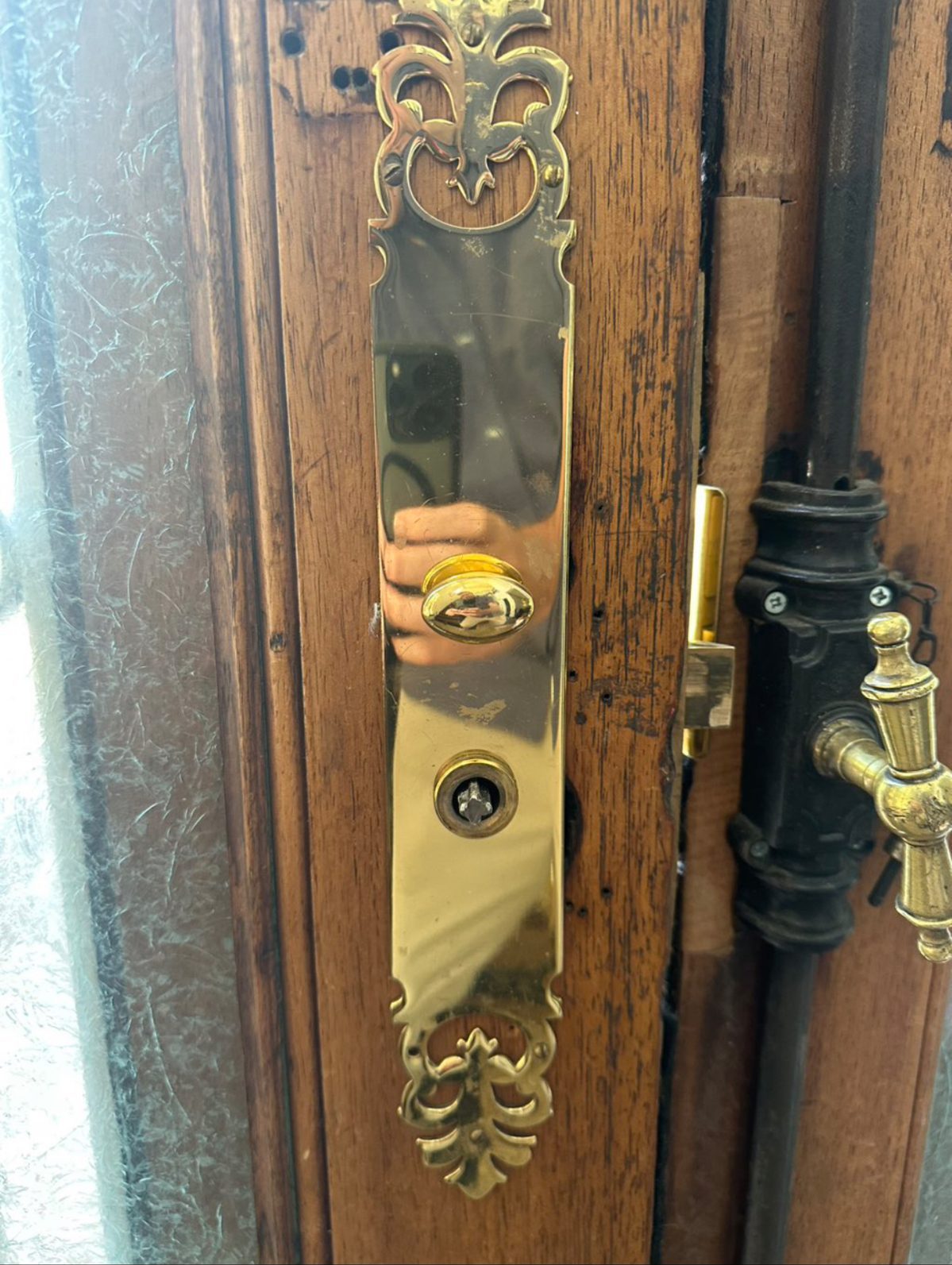
What Is a Mortise Lock and How Does It Work?
A mortise lock uses a metal lock case that sits inside a rectangular pocket, called a mortise, cut into the edge of a door. The faceplate of the case is visible along the door edge. On the door’s faces, a knob, lever, or trim connects to the mechanism inside. Depending on the design, the lock can have a spring latch, a deadbolt, or both.
When you turn the handle, the mechanism retracts the latch so the door can open. A key or interior thumbturn may operate a deadbolt on models that have one. The lock case coordinates those parts inside the door rather than sitting entirely on the surface, as many cylindrical locks do.
Mortise locks appear on different kinds of doors, including some commercial doors and older residential doors. Their appearance can vary, so the visible trim alone does not always tell you what is inside. Look at the door edge for a long faceplate and consider how the handle, key cylinder, and any deadbolt operate together.
Which Parts Make Up a Mortise Lock?
The lock case is the enclosed mechanism inside the door. It contains moving parts that operate the latch and, when included, the deadbolt. The faceplate covers the opening at the door edge and helps secure the case in place. The plate’s length and shape can help you recognize a mortise-style assembly, but they do not confirm the exact model.
The latch is the spring-loaded piece that projects from the door edge and holds the door closed against the strike plate. A deadbolt is a separate locking bolt on some models. The strike plate is attached to the door frame, where the latch or bolt enters when the door closes.
The trim includes the visible parts on the door faces, such as knobs, levers, escutcheons, and thumbturns. Some mortise locks also use a separate cylinder where the key goes. Other designs vary, so do not assume that every mortise lock has the same parts or that a replacement cylinder will fit every case.
These parts need to work together. A loose handle, a latch that does not line up with the strike, or a key that turns poorly can come from different causes. The symptom alone does not prove that the internal lock case has failed.
Mortise Lock vs. Other Door Lock Options
A mortise lock is one of several ways to secure a door. The right choice depends on the existing door preparation, how the door is used, and whether you are repairing an existing setup or planning a change. Compare the main differences before deciding.
Mortise lock
Its main case fits inside a pocket in the door edge. It can combine a latch and deadbolt in one assembly, but the door must be prepared to accept the case and trim.
Cylindrical lock
Its main mechanism is installed through holes in the door rather than in a long pocket at the edge. It has a different installation layout, so it is not automatically a direct substitute for a mortise lock.
Separate deadbolt and latch
This setup uses distinct hardware for the latch and deadbolt. It may suit a door already prepared for those components, but it does not work as a drop-in replacement for every mortise assembly.
Repair the existing mortise lock
Repair may be worth assessing when the case, door, and trim remain compatible and the problem is limited to an adjustable or replaceable part. A locksmith can inspect the assembly before recommending a change.
How to Choose the Right Lock for Your Door
Start with the door and the lock already in it. A change that looks simple from the outside can involve different case dimensions, door preparation, trim, or alignment. Use these points to decide what needs closer inspection.
- Keep the mortise setup — Consider this when the existing case operates properly and you want to retain the current door preparation and trim. Confirm that any replacement parts match the existing assembly.
- Repair a specific problem — This may be the right direction when a handle is loose, a latch is misaligned, or operation has changed but the door and case are otherwise sound. Identify the cause before replacing parts.
- Replace the lock case — Consider replacement when the case is damaged or its mechanism no longer operates reliably. The replacement must fit the door pocket and work with the trim and strike.
- Change to a different lock style — This may involve altering the door or frame rather than swapping one lock for another. Have the door preparation assessed before choosing hardware.
- Ask for professional help — Call a locksmith if the key, latch, bolt, or handle is stuck, if the door will not secure, or if you cannot identify a compatible part. Do not force the key or take apart a lock you are not authorized to service.
How to Inspect a Mortise Lock Before Choosing a Fix
You can gather useful information without removing the lock case. Only inspect a door and lock you own or are authorized to manage. If the door is jammed, the lock is damaged, or you cannot safely operate it, stop and call a locksmith instead of forcing the hardware.
- Gather simple inspection tools — Use a flashlight, a ruler or tape measure, and a phone camera. These help you see the door edge and record dimensions and visible parts. Check that you can inspect the door without leaning on or forcing the lock.
- Look at the door edge — With the door open, shine the flashlight on the edge where the latch comes out. A long faceplate and a lock case set into the door edge are signs of a mortise lock. Check whether the faceplate is secure and whether you see obvious damage.
- Identify the visible controls — Note whether the door has a knob or lever, a key cylinder, an interior thumbturn, and a separate deadbolt. Take a clear photo of each side and the edge. Check that you have recorded the parts without removing any of them.
- Observe normal operation — If the lock is not jammed and you are authorized to use it, turn the handle and key gently as you normally would with the door open. Notice whether the latch retracts and whether the deadbolt moves, if present. Stop if anything binds, grinds, or requires force.
- Check alignment at the frame — Close the door gently only if it operates safely. Observe whether the latch meets the strike plate cleanly and whether the door sits evenly in the frame. If the latch misses the opening or the door rubs, record that; the issue may involve alignment rather than the lock case.
- Record measurements and markings — Measure the visible faceplate and note the distance from its edge to the handle and cylinder centers. Photograph any readable markings on the trim or faceplate. Check that your notes and photos show the full door edge and the key parts clearly.
- Describe the symptom precisely — Write down what happens: for example, whether the handle moves, whether the latch retracts, or whether the key turns normally. Avoid guessing which internal part has failed. Confirm that your description separates a door-alignment issue from a problem during lock operation.
- Share the details before work begins — Give a locksmith the photos, measurements, and symptom notes. Ask them to inspect how the case, trim, door, and strike fit together. Before any work proceeds, confirm the proposed repair or replacement addresses the observed problem.
What Can Go Wrong With a Mortise Lock?
A key that becomes difficult to turn can point to a problem with the key, cylinder, lock mechanism, or door alignment. A handle that feels loose may involve the trim or its connection to the case. A latch that does not enter the strike cleanly may mean the door or frame has shifted, rather than that the lock itself needs replacement.
Forcing a key, handle, or bolt can worsen damage or leave the door unsecured. Do not try to pry the door, bypass the lock, or remove the case while the door is closed. If the key stops turning, the lock binds, or the door will not latch, stop operating it and contact a locksmith.
A locksmith can inspect the visible symptoms and determine whether the trouble is in the case, trim, cylinder, strike, or door alignment. If a part needs replacement, measurements and photos help identify what must fit together. The full assembly should be assessed before choosing parts based only on appearance.
Should You Repair or Replace a Mortise Lock?
Repair can make sense when the door is in good condition and the problem is limited to a component that can be adjusted or replaced while keeping the existing assembly. Replacement may be a better fit when the case is damaged, the mechanism is unreliable, or compatible parts are not available. The condition of the door and frame matters in either case.
Do not choose a replacement based only on the faceplate or handle style. Case dimensions, the position of the latch and deadbolt, the trim, and the door preparation all affect compatibility. A mismatch can leave holes exposed or prevent the lock from operating correctly. Have the existing assembly assessed before ordering hardware.
For a business door, consider how the lock works with the rest of the entry hardware and how the door needs to function during normal use. A mortise lock may be one part of a larger commercial locking setup. Our commercial locksmith service can help assess a lock issue at a business.
What to Do Next If Your Mortise Lock Needs Attention
If the lock operates normally and you are planning a change, collect the photos and measurements before selecting hardware. Compare the existing case and door preparation with the requirements for the new lock. When the match is unclear, get a professional assessment rather than modifying the door based on a guess.
If the door will not secure, the lock is stuck, or hardware is visibly damaged, stop using force and call a locksmith. Explain whether the issue affects the key, handle, latch, deadbolt, or alignment, and share your inspection notes. A mobile locksmith can travel to a home, car, or business; Locksmith Xpress is based in Gaithersburg and serves Montgomery County.
For help with a door at your property, find a locksmith in Gaithersburg or contact us. Keep the door and lock in their current condition if they are safe to leave that way, and do not attempt to open or defeat a lock on property you do not own or manage.
Frequently asked questions
How can I tell whether my door has a mortise lock?
With the door open, look for a long faceplate along the door edge and a lock case fitted into the door. The handle and key cylinder may be separate visible parts connected to that case. If the design is unclear, take photos of the edge and both sides for a locksmith to assess.
Can a mortise lock be rekeyed?
Some mortise locks use a cylinder that can be rekeyed, but designs vary and not every lock uses the same cylinder or method. Have a locksmith identify the lock before choosing this option. Do not remove a cylinder if you are unsure how it is retained.
Can I replace a mortise lock with a cylindrical lock?
Not necessarily as a direct swap. The two styles use different door preparations, so changing styles may require changes to the door and frame. Have the existing openings and hardware assessed before selecting a replacement.
What should I do if my mortise lock will not turn?
Do not force the key or handle, since added pressure can make the problem worse. If the door is open, leave it open while you arrange help if it is safe to do so; if it is closed or will not secure, contact a locksmith. Share what you observed about the key, handle, latch, and door alignment.
Need Help With a Mortise Lock?
Tell us what the lock is doing and where the door is. Locksmith Xpress provides mobile locksmith service in Gaithersburg and throughout Montgomery County.