
What Is a Transponder Key?
A transponder key is a car key with a small electronic chip that communicates with the vehicle’s immobilizer. The car allows the engine to start only when it recognizes an authorized chip, so cutting a key to match the lock may not be enough.
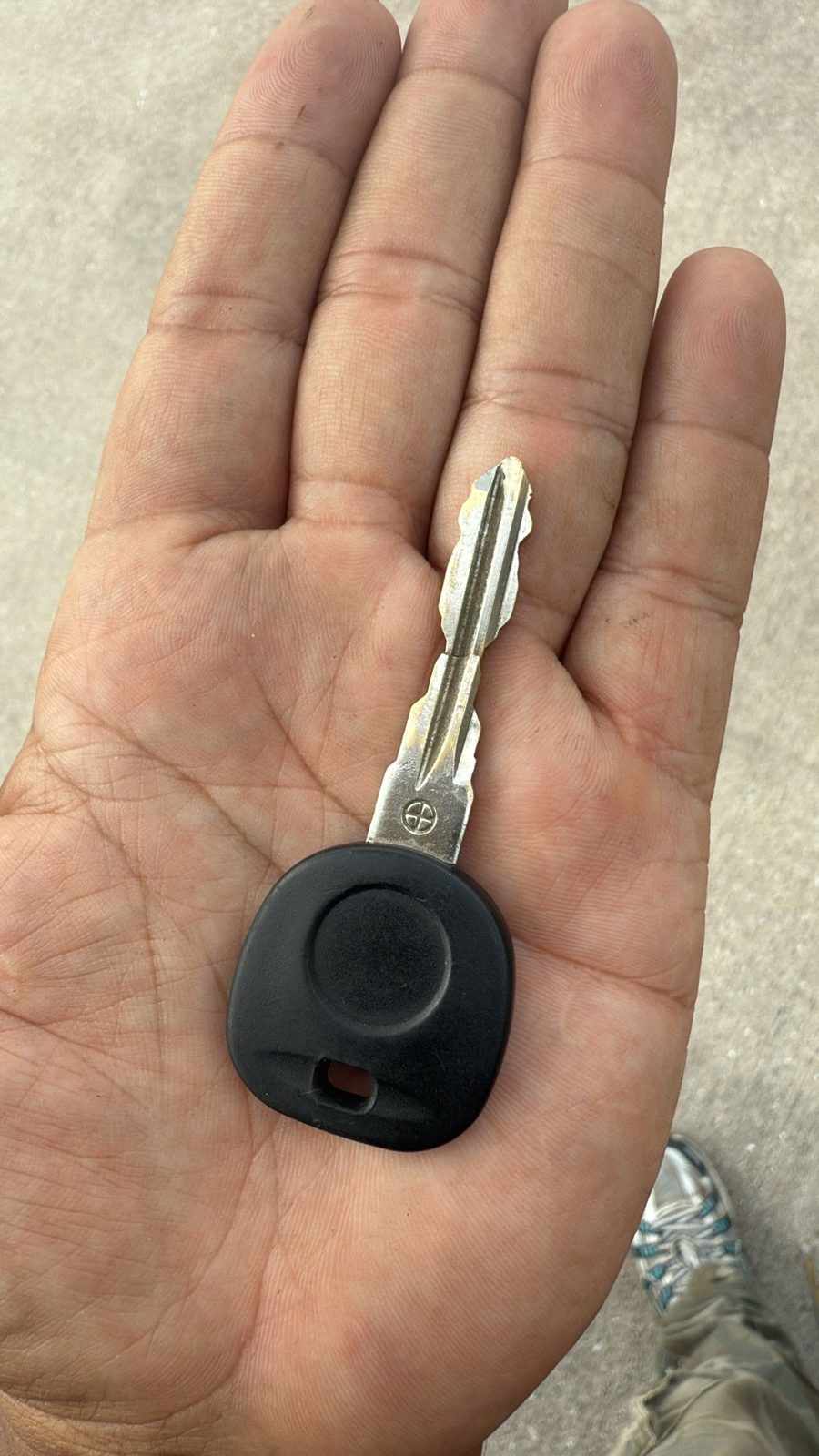
What Is a Transponder Key, and What Does It Do?
A transponder key looks much like a regular car key, but it contains a tiny electronic transponder. When you use the key, the vehicle’s security system checks for the correct signal from that chip. If the system recognizes it, the immobilizer allows the engine to start.
“Transponder” refers to the chip’s role in sending a response when the vehicle requests identification. The chip is usually inside the key’s plastic head. In a push-button vehicle, the key’s electronics may be inside a remote or smart key instead of a traditional metal key.
The metal blade and the electronic chip do different jobs. The blade may turn a mechanical lock, while the chip authorizes the engine to run. That distinction explains why a copied blade can fit the ignition or door and still fail to start the car.
A transponder key is not the same as a remote-only fob. A remote can operate functions such as locking and unlocking, while a transponder chip is involved in engine authorization. Some keys combine both functions, so the shape of the key alone does not tell you which system your car uses.
How Does a Transponder Key Work With the Car?
When you insert a chipped key or bring a smart key into the vehicle, the car’s security system checks for an accepted electronic identification signal. The immobilizer then permits or blocks engine operation based on whether it recognizes the key. The exact process and key design vary by vehicle.
This system is intended to make a mechanically similar key insufficient on its own. A key can turn a lock without being authorized to start the engine. In some vehicles, a warning light or a message on the dashboard may indicate that the car does not recognize a key, but that warning does not identify the cause by itself.
A transponder system also differs from the remote’s buttons. If the buttons stop working but the car starts, the issue may involve the remote function or its battery rather than engine authorization. If the car does not start, there may be a key, vehicle battery, ignition, or other vehicle problem; one symptom alone cannot confirm a failed transponder.
For a closer look at remote symptoms, see our guide to a key fob that is not working. The key point is to separate what the key does mechanically, what its chip does electronically, and what its remote buttons control.
What Signs and Information Help Identify the Right Key?
Before choosing a replacement, gather details that help identify the vehicle’s key system. Do not order a key just because its shell or blade looks like yours; the electronic type and programming requirements must also match.
- The vehicle’s year and identifying details — Have the year, make, model, and vehicle identification number available when speaking with a key professional. Keep the VIN private and share it directly with a provider who needs it to identify the correct key.
- The key you currently use — Note whether it has a metal blade, a plastic head, remote buttons, or a separate fob. If you still have a working key, tell the provider; the number of working keys can affect the service options.
- The exact symptom — Describe whether the blade turns, whether the engine starts, whether the remote buttons work, and whether a dashboard security light or message appears. Separate observations help avoid treating every key-related symptom as the same problem.
- The number of keys you need — Decide whether you need a replacement for a lost or damaged key, a duplicate while another key works, or help with a vehicle that recognizes no available key. Those situations may call for different next steps.
- Proof that you may request service — Be ready to verify your connection to the vehicle. A locksmith or other service provider may need to confirm authorization before making or programming a key.
Which Key Option Fits Your Situation?
The right option depends on what still works and what the vehicle requires. A blade, a transponder, and a remote are not interchangeable parts, even when they are combined in one key.
Duplicate a working key
If you have a working key and want a spare, ask whether the vehicle supports an additional key and what type must be supplied and programmed. A duplicate should be checked in the vehicle, not judged only by whether it looks similar.
Replace a lost or damaged key
If no usable key is available, the replacement may need both a correctly cut blade, when the vehicle uses one, and a chip or smart-key component that the car accepts. Share the vehicle details and say clearly whether every key is missing.
Repair or replace a remote function
If the engine starts but lock or unlock buttons do not work, describe that separately from a no-start issue. The remote and transponder functions may be related in one unit, but a button problem does not automatically mean the chip needs replacement.
Check a vehicle-side problem
If a known working key suddenly fails, the cause may not be the key. A weak vehicle battery, an ignition issue, or a fault in the vehicle’s security system can produce symptoms that resemble a key problem, so diagnosis may be needed before choosing a replacement.
What Can You Check Safely Before Calling?
Start with observations and simple owner-level checks. Do not force a key, take apart a security system, or try to bypass the immobilizer. Stop if the key is bent, cracked, or stuck, or if a check could damage the key or vehicle.
- Make sure you are using the intended key — Compare the key with the one you normally use and check whether a separate fob is required. Confirm that the key belongs to this vehicle; then note whether its blade, buttons, and casing look intact.
- Check the dashboard for a clue — Look for a security light or a message that appears when you try to start the car. Record the wording or symbol and whether it stays on or flashes; do not treat the display alone as a confirmed diagnosis.
- Try another authorized key, if you have one — Use a spare that is already programmed for the vehicle, following the owner’s manual. Check whether the spare behaves differently; if it works, report that result, and if it does not, report that too.
- Check the remote battery only when relevant — If the key’s buttons are the problem, consult the owner’s manual for the correct battery and safe replacement instructions. Afterward, check whether the buttons respond; do not assume that changing a remote battery programs a transponder chip.
- Consider the vehicle battery symptoms — Notice whether the dashboard lights and other electrical systems behave normally. If the vehicle shows signs of a low battery, follow the manual or contact an appropriate automotive service provider, then check whether the key symptom remains.
- Keep the key and ignition still if something binds — Do not twist harder or use pliers on a key that will not turn or comes out only partway. Check whether the key is visibly damaged and stop; forcing it can break the blade or worsen an ignition problem.
- Gather vehicle and ownership information — Write down the vehicle details, the symptoms, and which keys you have tried. Keep ownership documents available and share personal vehicle information directly with the service provider, not in a public post.
- Ask for key-specific diagnosis — Explain whether you need a duplicate, lost-key replacement, or help with a key the car no longer recognizes. Before work begins, confirm what the provider will check and whether the key will be tested in the vehicle.
What Can Go Wrong With a Transponder Key?
A damaged chip, worn key, or programming mismatch can prevent a vehicle from recognizing a key. A key may also have a remote problem while its transponder function still works. These issues can look similar from the driver’s seat, so describe each symptom rather than deciding that the chip has failed.
The vehicle may be the source of the problem. A weak vehicle battery can affect starting, and an issue with the ignition or security system can interfere with key recognition. If both a working key and a spare behave the same way, tell the provider; that pattern can help distinguish a vehicle-side issue from a single damaged key.
Avoid repeated forceful attempts, improvised electronics, or instructions that claim to defeat the immobilizer. Those steps can damage equipment or compromise vehicle security. If the key is bent, broken, or stuck, stop using it and arrange qualified help rather than trying to extract or bypass anything yourself.
If the car is in an unsafe place, prioritize your personal safety and move to a safe location if you can do so without entering traffic or creating another hazard. Then contact an appropriate roadside or locksmith service and explain your location and the symptoms.
What Happens During Transponder Key Replacement?
A replacement generally involves identifying the correct key type, preparing the physical key when the vehicle uses a blade, and programming or pairing the electronic key with the vehicle as required. The provider should confirm that the key starts the car and that its intended remote functions work. The exact steps depend on the vehicle’s system.
Some owners first ask a dealer or automotive service provider; a mobile locksmith may also handle key replacement, depending on the vehicle and service needed. When comparing options, ask what information is needed, whether the work can be completed at the car, and how the new key will be tested. Do not share the vehicle’s security information with an unknown party.
For a locksmith option, read about our car key replacement service. Locksmith Xpress is a mobile locksmith based in Gaithersburg and serves Montgomery County. The key-cutting machine is in the service van, and key fobs, smart keys, and transponder keys are programmed at the customer’s car.
A mobile visit means there is no storefront to visit. If you are in Gaithersburg or elsewhere in the service area, have the vehicle accessible and your ownership information ready. You can also learn more about a locksmith in Gaithersburg or contact us to discuss the key issue.
When Should You Call a Locksmith About a Transponder Key?
Call a locksmith when you have lost every key, need a programmed spare, or have a key that the vehicle no longer recognizes and safe checks have not resolved the issue. Also call if the key is damaged or stuck; stop before forcing it or trying a method that could damage the ignition.
When you contact a provider, give the vehicle’s year, make, and model, describe the exact symptom, and say how many working keys you have. Ask whether the provider handles your type of key and can test it at the vehicle. Clear details help establish whether you need key cutting, programming, troubleshooting, or another kind of automotive service.
For people searching “what is a locksmith,” a locksmith is a professional who works with keys, locks, and related access systems. For a transponder-key problem, ask specifically about automotive key replacement and programming, since not every lock service includes that work. Choose a provider who explains the next steps and verifies that the replacement works with your vehicle.
Frequently asked questions
How can I tell whether my car key has a transponder?
A plastic key head or dashboard security light may offer clues, but neither confirms the key type on its own. Check the owner’s manual or ask a provider to identify the key using your vehicle details.
Can a metal copy of my key start the car?
It may turn a mechanical lock, but it will not start a vehicle that requires an authorized transponder unless the key also has a compatible, programmed chip. Have the key checked in the vehicle rather than relying on its appearance.
What should I do if my transponder key is not recognized in Gaithersburg?
Note any dashboard message, try another already-programmed key if you have one, and avoid forcing the key or attempting to bypass the vehicle’s security system. A mobile locksmith serving Gaithersburg can assess the key at the car and determine whether replacement or another diagnosis is needed.
What does a locksmith need to replace a transponder key?
Be ready to provide the vehicle’s year, make, and model, explain whether you have a working key, and verify that you are authorized to request service. The provider can use those details to identify the required key and explain how it will be tested.
Need Help With a Transponder Key?
Tell us what the key is doing and whether you have a working spare. Locksmith Xpress provides mobile car key service in Gaithersburg and throughout Montgomery County.